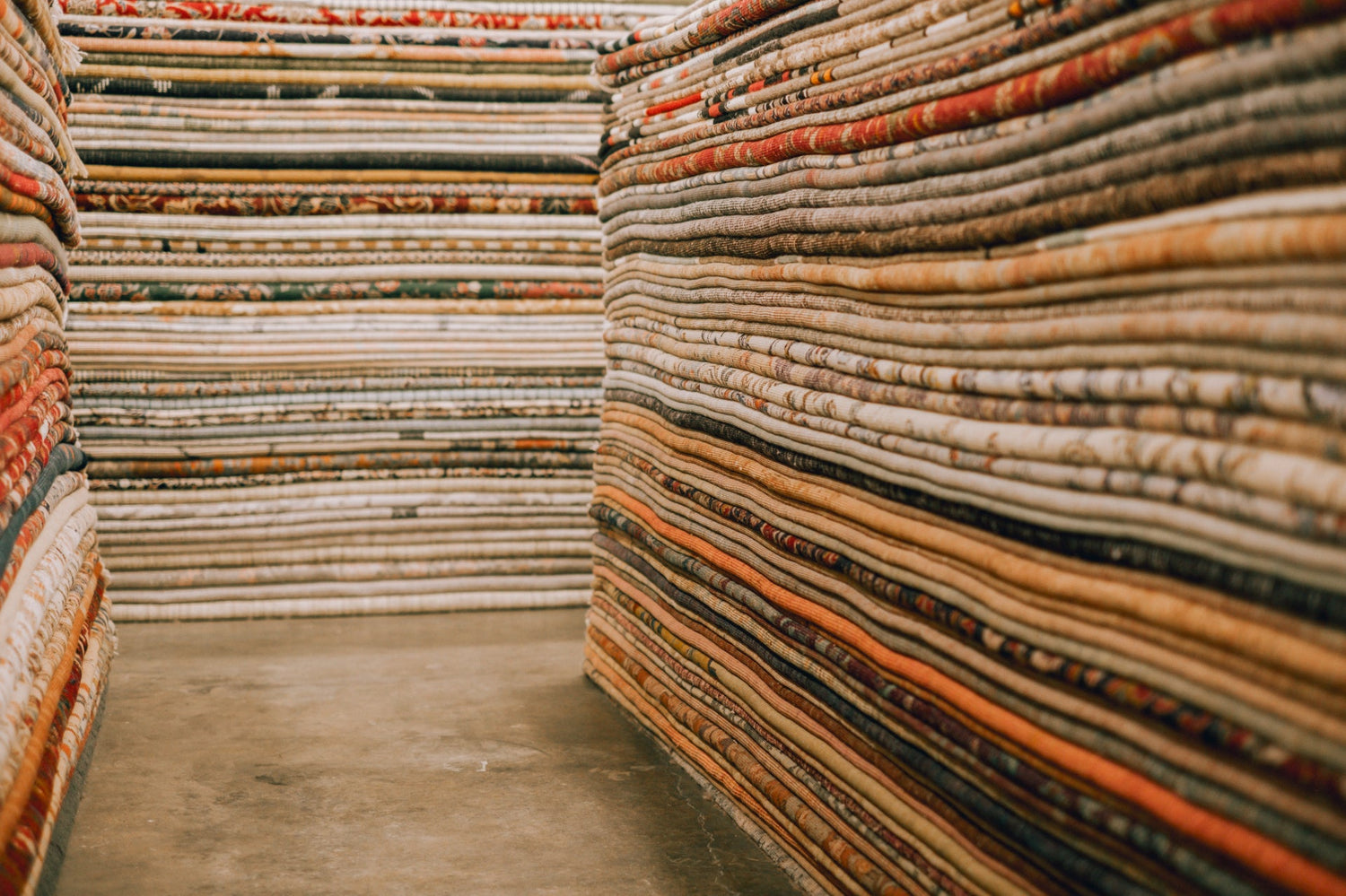

Lilihan Rugs

-
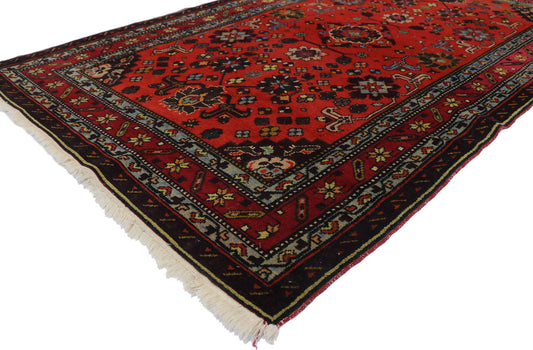
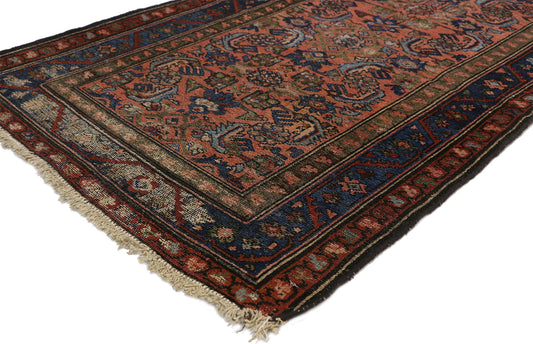
4 x 7 - Red Antique Persian Lilihan Rug - 78143
Regular price $2,020.00 USDRegular priceUnit price per -
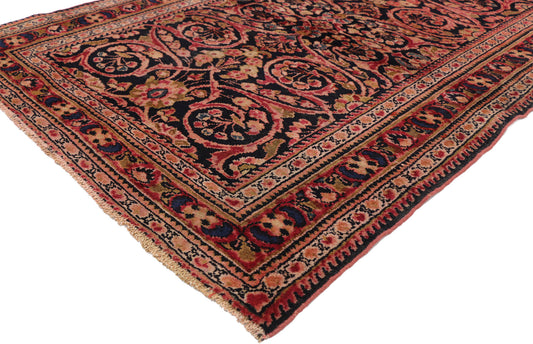
4 x 5 - Red Antique Persian Lilihan Rug - 72590
Regular price $1,200.00 USDRegular priceUnit price per -
4 x 5 - Antique Persian Lilihan Rug - 70974
Regular price $525.00 USDRegular priceUnit price per -
3 x 5 - Red Antique Persian Lilihan Rug - 79816
Regular price $1,595.00 USDRegular priceUnit price per -
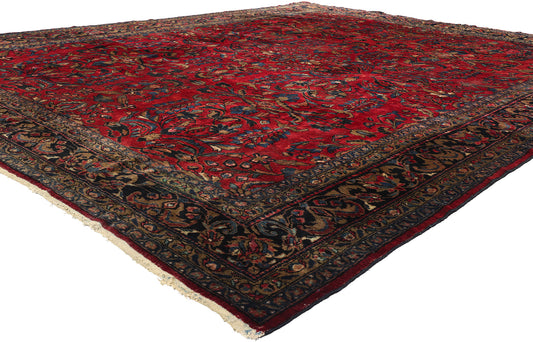
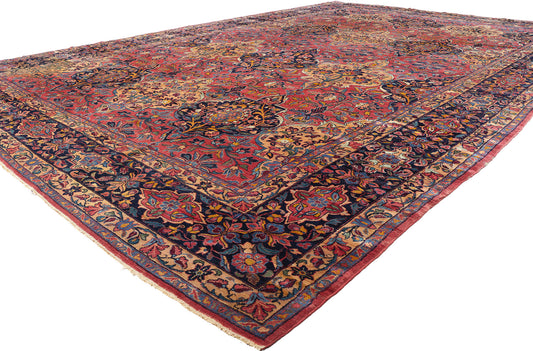
9 x 11 - Red Antique Persian Lilihan Rug - 79737
Regular price $5,210.00 USDRegular priceUnit price per -
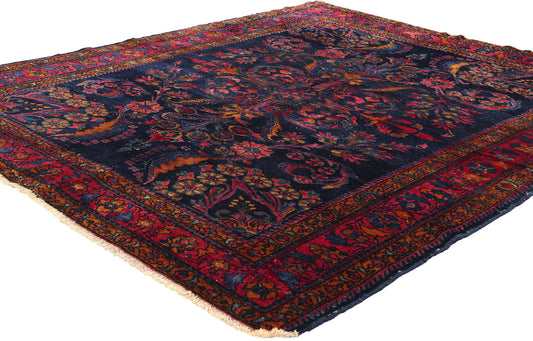
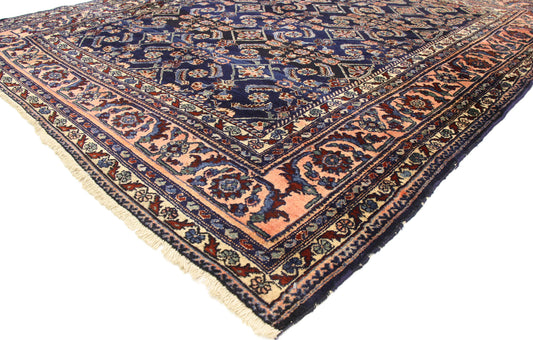
9 x 11 - Navy Blue Antique Persian Lilihan Rug - 79639
Regular price $5,845.00 USDRegular priceUnit price per -
3 x 5 - Red Antique Lilihan Rug - 79498
Regular price $2,075.00 USDRegular priceUnit price per -
5 x 5 - Red Antique Lilihan Rug - 79423
Regular price $2,020.00 USDRegular priceUnit price per -
3 x 26 - Pink Vintage Lilihan Rug - 61541
Regular price $8,395.00 USDRegular priceUnit price per -
3 x 20 - Pink Antique Lilihan Rug - 61531
Regular price $6,270.00 USDRegular priceUnit price per -
3 x 23 - Brown Antique Lilihan Rug - 61498
Regular price $8,395.00 USDRegular priceUnit price per -
5 x 6 - Navy Blue Antique Lilihan Rug - 61492
Regular price $3,085.00 USDRegular priceUnit price per -
3 x 17 - Red Vintage Lilihan Rug - 61483
Regular price $6,270.00 USDRegular priceUnit price per -
4 x 5 - Red Antique Lilihan Rug - 61449
Regular price $2,660.00 USDRegular priceUnit price per -
3 x 6 - Pink Antique Lilihan Rug - 61461
Regular price $2,660.00 USDRegular priceUnit price per -
10 x 14 Red Antique Persian Lilihan Rug 61509
Regular price $9,035.00 USDRegular priceUnit price per -
3 x 16 Antique Persian Lilihan Rug 79277
Regular price $4,145.00 USDRegular priceUnit price per -
5 x 7 Antique Persian Lilihan Rug 79090
Regular price $2,395.00 USDRegular priceUnit price per -
3 x 5 Antique Persian Lilihan Rug 79077
Regular price $1,330.00 USDRegular priceUnit price per -
5 x 6 Antique Persian Lilihan Rug 79001
Regular price $1,545.00 USDRegular priceUnit price per -
5 x 6 Antique Persian Lilihan Rug 78963
Regular price $2,020.00 USDRegular priceUnit price per -
3 x 11 Antique Persian Lilihan Rug 78962
Regular price $3,085.00 USDRegular priceUnit price per -
11 x 13 Antique Red Persian Lilihan Rug 78809
Regular price $4,785.00 USDRegular priceUnit price per -
6 x 6 - Navy Blue Antique Persian Lilihan Rug - 77633
Regular price $1,595.00 USDRegular priceUnit price per -
12 x 17 - Red Antique Persian Lilihan Rug - 77565
Regular price $21,200.00 USDRegular priceUnit price per -
3 x 29 - Red Antique Persian Lilihan Rug - 77169
Regular price $7,440.00 USDRegular priceUnit price per -
3 x 5 - Red Antique Persian Lilihan Rug - 78418
Regular price $2,020.00 USDRegular priceUnit price per -
6 x 10 - Red Vintage Persian Lilihan Rug - 61176
Regular price $3,560.00 USDRegular priceUnit price per -
2 x 4 - Antique Persian Lilihan Rug - 77073
Regular price $0.00 USDRegular priceUnit price per -
3 x 5 - Antique Persian Lilihan Rug - 77071
Regular price $1,220.00 USDRegular priceUnit price per -
3 x 8 - Red Antique Persian Lilihan Rug - 78141
Regular price $2,500.00 USDRegular priceUnit price per -
3 x 23 - Rust Antique Persian Lilihan Rug - 76915
Regular price $5,210.00 USDRegular priceUnit price per -
3 x 5 - Red Antique Persian Lilihan Rug - 78178
Regular price $1,595.00 USDRegular priceUnit price per -
4 x 5 - Navy Blue Antique Persian Lilihan Rug - 76857
Regular price $2,020.00 USDRegular priceUnit price per -
3 x 16 - Pink Antique Persian Lilihan Rug - 77236
Regular price $3,905.00 USDRegular priceUnit price per -
8 x 10 - Rust Antique Persian Lilihan Rug - 74902
Regular price $8,055.00 USDRegular priceUnit price per -
8 x 12 - Rust Antique Persian Lilihan Rug - 74264
Regular price $5,210.00 USDRegular priceUnit price per -
3 x 18 - Antique Persian Lilihan Rug - 73791
Regular price $0.00 USDRegular priceUnit price per -
5 x 6 - Beige Antique Persian Lilihan Rug - 73623
Regular price $2,340.00 USDRegular priceUnit price per -
10 x 13 - Brown Antique Persian Lilihan Rug - 72824
Regular price $9,555.00 USDRegular priceUnit price per -
3 x 5 - Antique Persian Lilihan Rug - 73082
Regular price $800.00 USDRegular priceUnit price per -
4 x 5 - Red Antique Persian Lilihan Rug - 72852
Regular price $2,075.00 USDRegular priceUnit price per -
3 x 5 - Blue Antique Persian Lilihan Rug - 72381
Regular price $1,065.00 USDRegular priceUnit price per -
5 x 6 - Blue Antique Persian Lilihan Rug - 71894
Regular price $1,595.00 USDRegular priceUnit price per -
8 x 11 - Antique Persian Lilihan Rug - 71885
Regular price $0.00 USDRegular priceUnit price per
















Categories You May Also Like
-

Persian Carpets and Rugs
Introduction to Persian Carpets Esmaili Rugs in Dallas presents a curated selection...
-
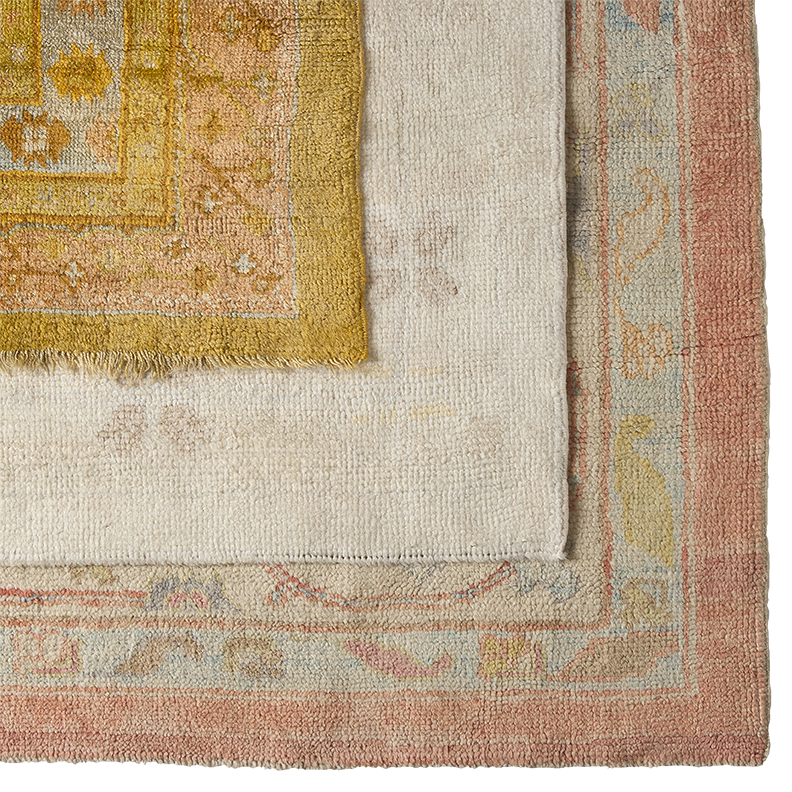
Turkish Rugs & Carpets: Antique, Vintage & Modern Collection
With effortless beauty and timeless design, our Turkish Rugs collection is poised...
-
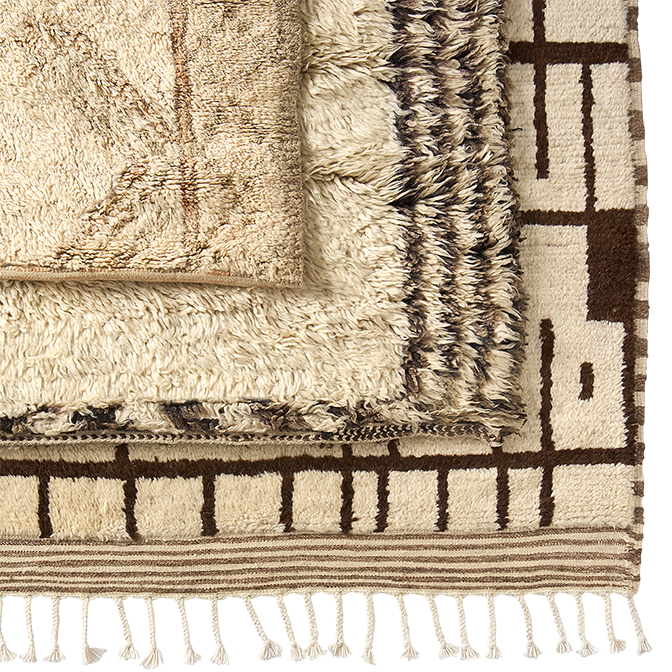
Vintage Moroccan Rugs for Sale | A Legacy of Texture and Color
Esmaili Rugs in Dallas features an iconic collection of Moroccan rugs, including...
-
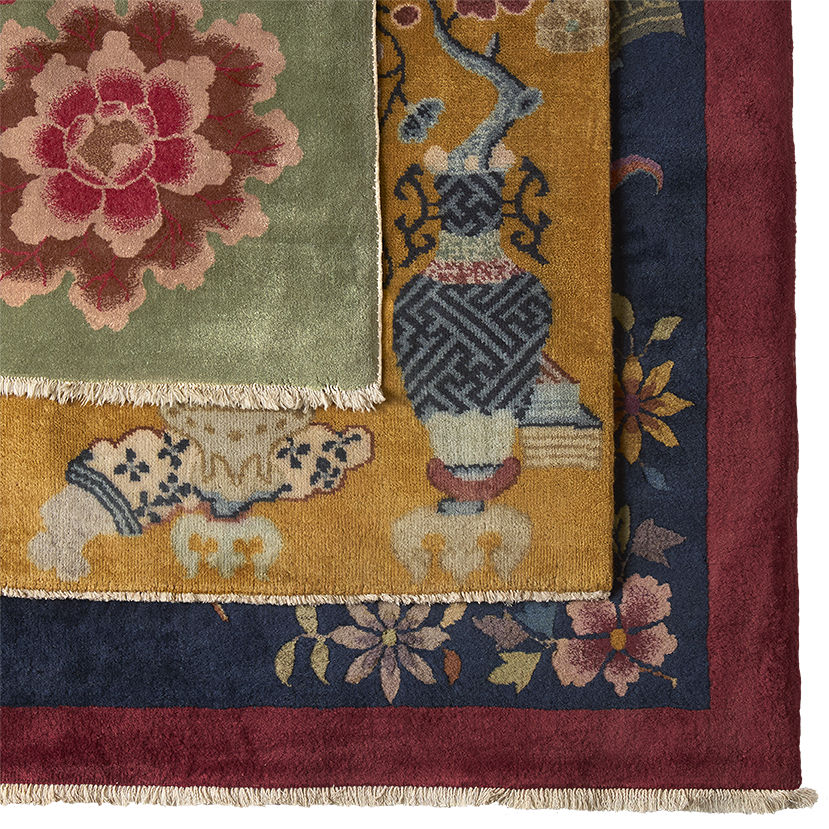
Timeless Chinese Rugs From Imperial Peking to Art Deco Elegance
Incredible detail, intricate weaving, and a luminous texture are the hallmarks of...
-

Swedish Rugs
Traditional Swedish rugs bring structure, warmth, and artistic restraint to a thoughtfully...
-
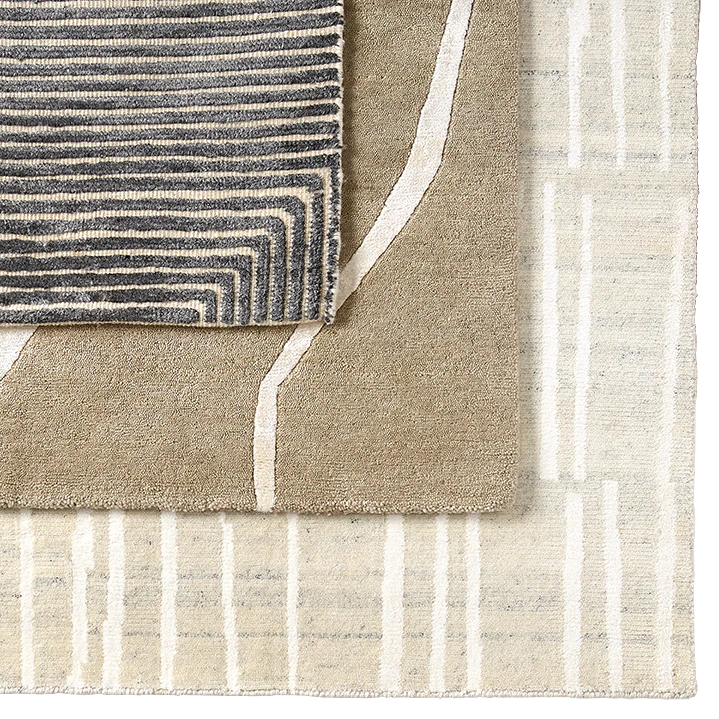
Modern Rugs
Introduction to Contemporary Carpets Awe-inspiring art evokes profound emotions, intrigues the senses,...
-
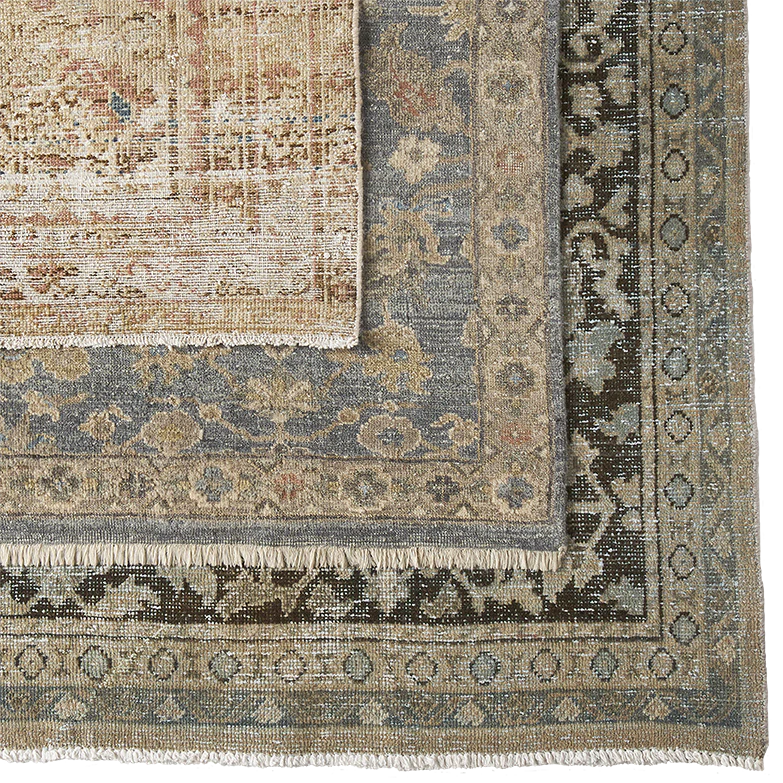
Distressed Rugs
Introduction to Distressed Rugs The selection of distressed rugs at Esmaili Rugs...
-
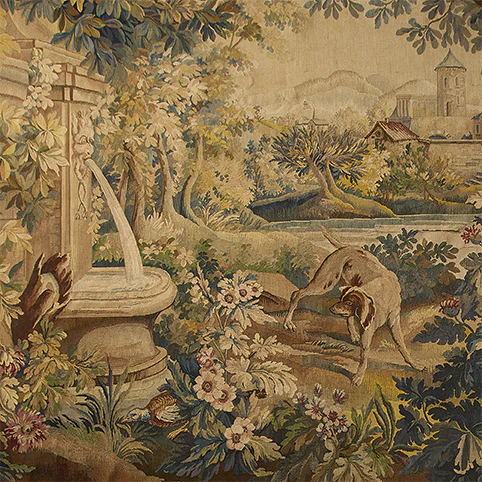
Vintage Tapestries
Introduction to Vintage, Antique, & Contemporary Tapestries Esmaili Rugs has curated a...


-

White-Glove Delivery Service
-

Rare Antique & New Rugs
-

Expert Rug Curation & Consultation
-

One-of-a-Kind Global Selection


