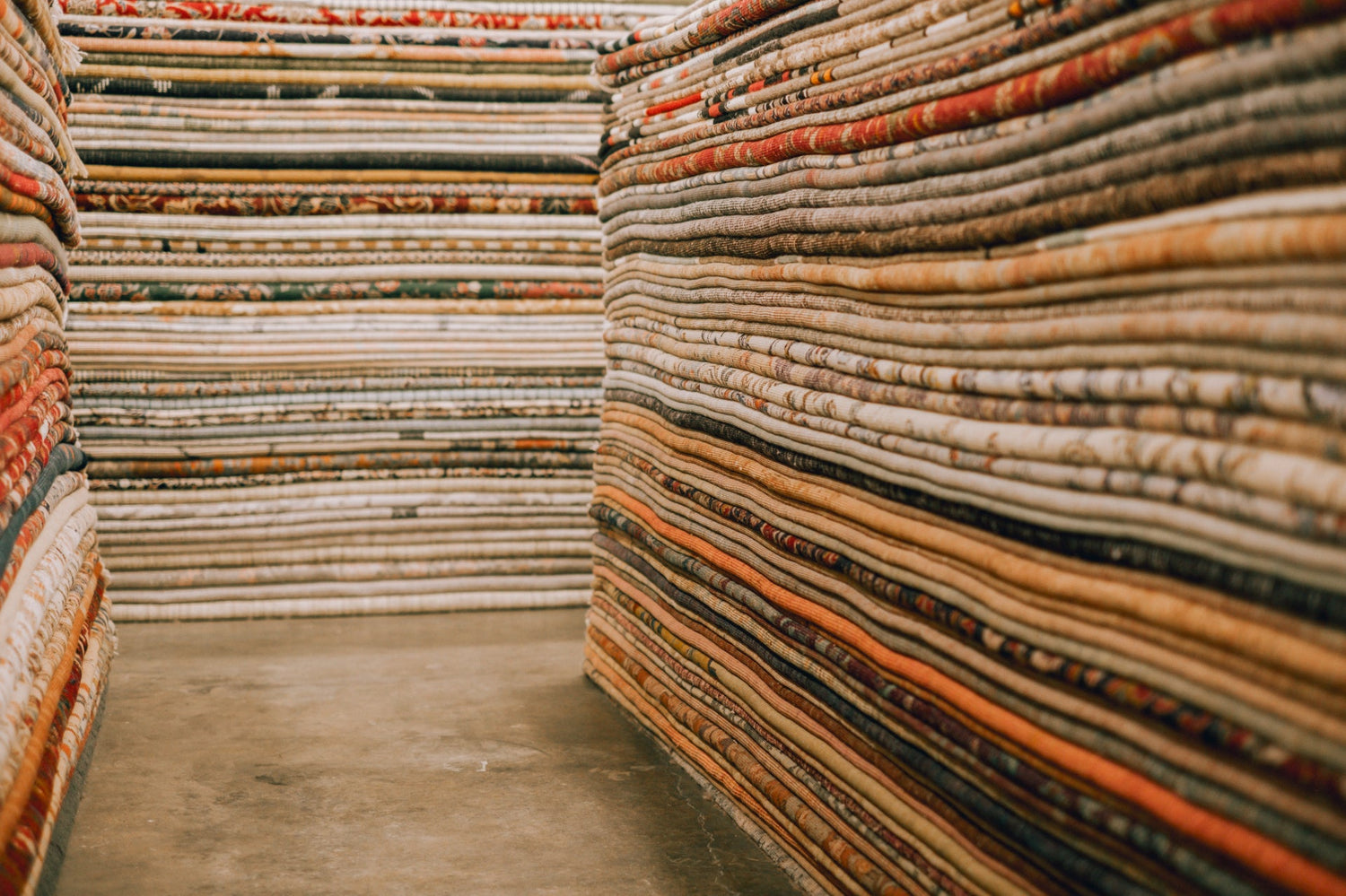


17 x 21 - Red Antique Persian Serapi Rug - 79914
17 x 21 - Red Antique Persian Serapi Rug - 79914
Only 1 left in stock: Shipping in 2-5 days
Rug Details
Delivery / Returns / Payment
Shipping Insured worldwide delivery. Most in-stock rugs leave our Dallas warehouse within 2 business days.
Returns Item must arrive in the original condition with tags attached. Return freight & insurance are the customer’s responsibility. We accept:
● 10-day returns for standard purchases
● 3-day returns for promotional-sale items
Refunds exclude outbound shipping & handling.
Payment Checkout online with all major cards, or call (214) 651-7847 to pay by phone. Checks are welcome; we ship once funds clear.
Trade Clients Qualified trade accounts may request rugs on approval—simply choose “Trade Approval” at checkout and we’ll arrange two-way logistics.
Care Instructions
● Vacuum with the beater bar off and always in the direction of the pile.
● Rotate 180° every 6 months for even wear and sun-fade balance.
● Blot spills immediately with a white cloth—never rub.
● Use a breathable rug pad to prevent slipping and fiber stress.
● Schedule a professional hand-wash every 3–5 years (sooner for high-traffic or pets).
Need in-depth guidance? See our full Rug Care Guide.


Inquiry
Please send us a message for pricing and questions regarding this product!
Description:-
79914 Antique Persian Serapi Rug, 17'06 x 21'06.
The Sovereign's Emblem: A Late 19th Century Persian Serapi Masterpiece of Splendor
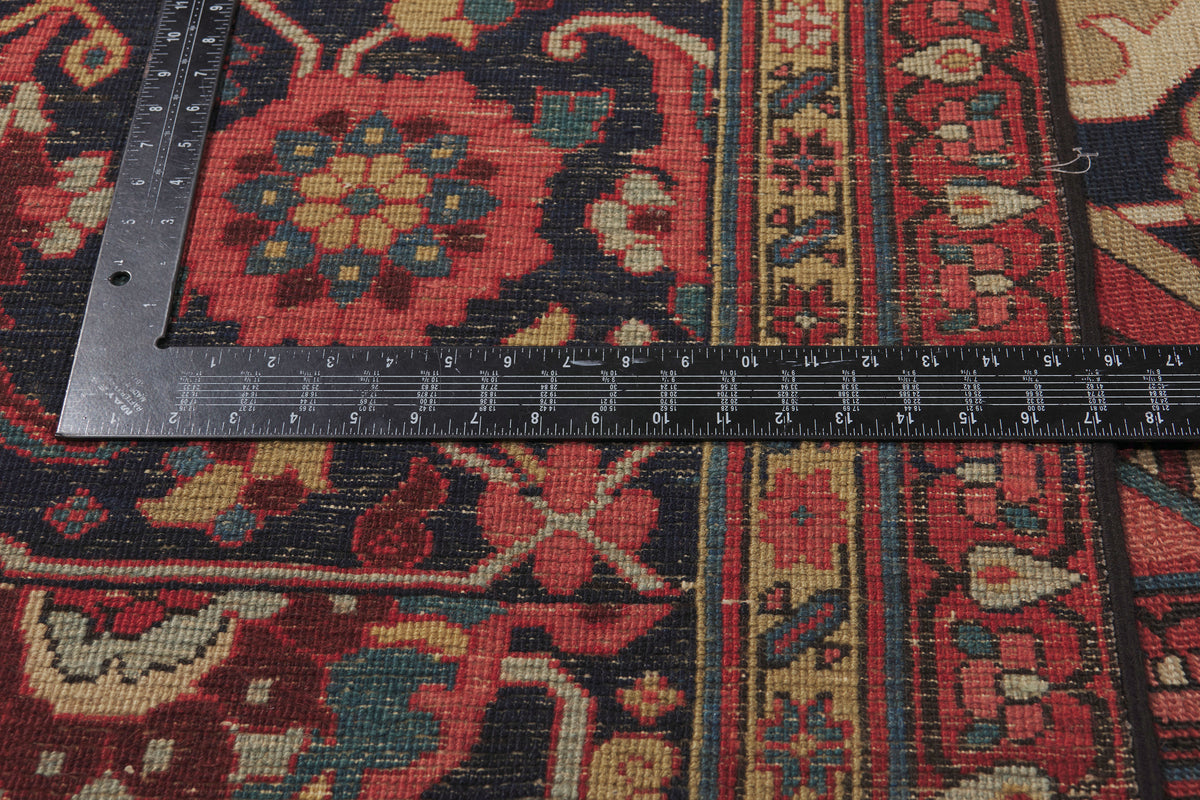
A commanding expression of late 19th-century craftsmanship, this hand-knotted wool antique Persian Serapi rug embodies the artistic grandeur and architectural sophistication of the celebrated Serapi weaving tradition. Its monumental composition unfolds across a sumptuous crimson red field, where elaborate botanical ornamentation and imposing geometric forms create an atmosphere of aristocratic refinement. Woven during the closing decades of the Qajar dynasty, Serapi carpets became prized furnishings among European nobility, American industrialists, and prominent collectors who appreciated their distinctive character and accomplished artistry. This evocative example reveals a magnificent central medallion surrounded by flowering arabesques, ancestral emblems, and intricate vegetal motifs, recalling the ornamental splendor of palatial gardens and ceremonial halls. The interplay of scarlet, midnight indigo, antique ivory, burnished gold, and muted botanical accents lends depth to its mesmerizing design. With its stately proportions and historical significance, this stunning masterwork evokes the cultivated interiors of an ancestral estate, where rare objects were acquired as expressions of prestige and preserved for generations.
At the heart of the exceptional composition rests an elaborate medallion centered upon a multi-pointed geometric star rosette, its radiating form evoking celestial harmony, spiritual illumination, and the ordered structure of the universe. Encircling this symbolic nucleus are majestic Shah Abbasi palmettes and sharply articulated islimi vine scrolls, whose interlacing contours suggest the infinite continuity of nature and the regenerative forces of creation. Four crimson cartouches, arranged in a balanced cruciform formation, contain elongated lotus blossoms intertwined with stylized tulips and lilies. Within the classical vocabulary of Persian decorative arts, the iconic lotus motif represents rebirth and purity, while tulips recall divine beauty and the renewal of life. Lilies introduce associations with innocence, devotion, and spiritual transcendence, enriching the medallion's narrative of abundance and cosmic equilibrium. Anchoring the centerpiece at opposing poles are dramatic flaming palmette pendants, their serrated silhouettes suggesting vitality, transformation, and the enduring energy of the natural world. Together, these ornamental elements establish a heraldic composition of impeccable intricacy, celebrating the union of geometric precision and botanical imagination.
Extending across the expansive field is an enchanting arrangement of sprouting Tree of Life branches, flowering tendrils, and stylized oak leaves, their meticulous organic forms creating the impression of a flourishing paradise garden. The Tree of Life, an ancient symbol found throughout Oriental textile traditions, represents immortality, spiritual growth, and the interconnectedness of all living things. Scattered geometric rosettes and field blossoms recall stars illuminating the heavens or desert flowers emerging with the arrival of spring, evoking good fortune, agricultural prosperity, and the perpetual rhythm of the seasons. Oak-inspired foliage introduces associations with strength, resilience, and steadfast endurance, reinforcing the carpet's underlying themes of protection and continuity. Within the dark ink-colored corner spandrels, interlocking serrated leaves and angular vine formations establish an architectural framework of striking complexity. Emerging floral sprays and ivory rosettes appear suspended against the indigo ground, suggesting the celestial interplay of light and shadow. This captivating contrast lends the composition a contemplative dimension, recalling the eternal passage between day and night and the harmonious balance of opposing forces.
Enclosing this extraordinary masterpiece is a distinguished Herat rosette border, its procession of flowering medallions, scrolling tendrils, and delicate botanical devices creating a rhythmic ornamental framework. Double guard borders complete the enclosure, their miniature floral and geometric patterns reinforcing the architectural balance of the central design. The accomplished drawing, revered symbolism, and colossal scale of this antique Serapi reflect the artistic discipline of master weavers whose creations became enduring treasures of the decorative arts. Envisioned beneath an imposing dining table in a historic English country manor, gracing the grand salon of a prestigious Fifth Avenue residence, or anchoring the reception hall of an exclusive private club, this lavish carpet commands attention with quiet authority. Its expressive ornamentation and time-honored craftsmanship offer an atmosphere of permanence and inherited distinction, making it a compelling acquisition for the discerning connoisseur. A testament to the cultural achievements of the late Qajar period, this exquisite work of art preserves a legacy of artistic mastery, inviting its future custodian to experience the beauty and historical resonance of a truly remarkable heirloom.
- Abrash.
- Hand knotted wool.
- Made in Iran.
- Measures: 17'06 x 21'06.
- Pile Height: 0.17 of an inch.
- Date: 1880's. Late 19th Century.


