

10 x 13 - Burgundy Antique Turkish Sparta Rug - 72040
10 x 13 - Burgundy Antique Turkish Sparta Rug - 72040
Add Rug Pad
Only 1 left in stock: Shipping in 2-5 days
Rug Details
Delivery / Returns / Payment
Shipping Insured worldwide delivery. Most in-stock rugs leave our Dallas warehouse within 2 business days.
Returns Item must arrive in the original condition with tags attached. Return freight & insurance are the customer’s responsibility. We accept:
● 10-day returns for standard purchases
● 3-day returns for promotional-sale items
Refunds exclude outbound shipping & handling.
Payment Checkout online with all major cards, or call (214) 651-7847 to pay by phone. Checks are welcome; we ship once funds clear.
Trade Clients Qualified trade accounts may request rugs on approval—simply choose “Trade Approval” at checkout and we’ll arrange two-way logistics.
Care Instructions
● Vacuum with the beater bar off and always in the direction of the pile.
● Rotate 180° every 6 months for even wear and sun-fade balance.
● Blot spills immediately with a white cloth—never rub.
● Use a breathable rug pad to prevent slipping and fiber stress.
● Schedule a professional hand-wash every 3–5 years (sooner for high-traffic or pets).
Need in-depth guidance? See our full Rug Care Guide.


Inquiry
Please send us a message for pricing and questions regarding this product!
Description:-
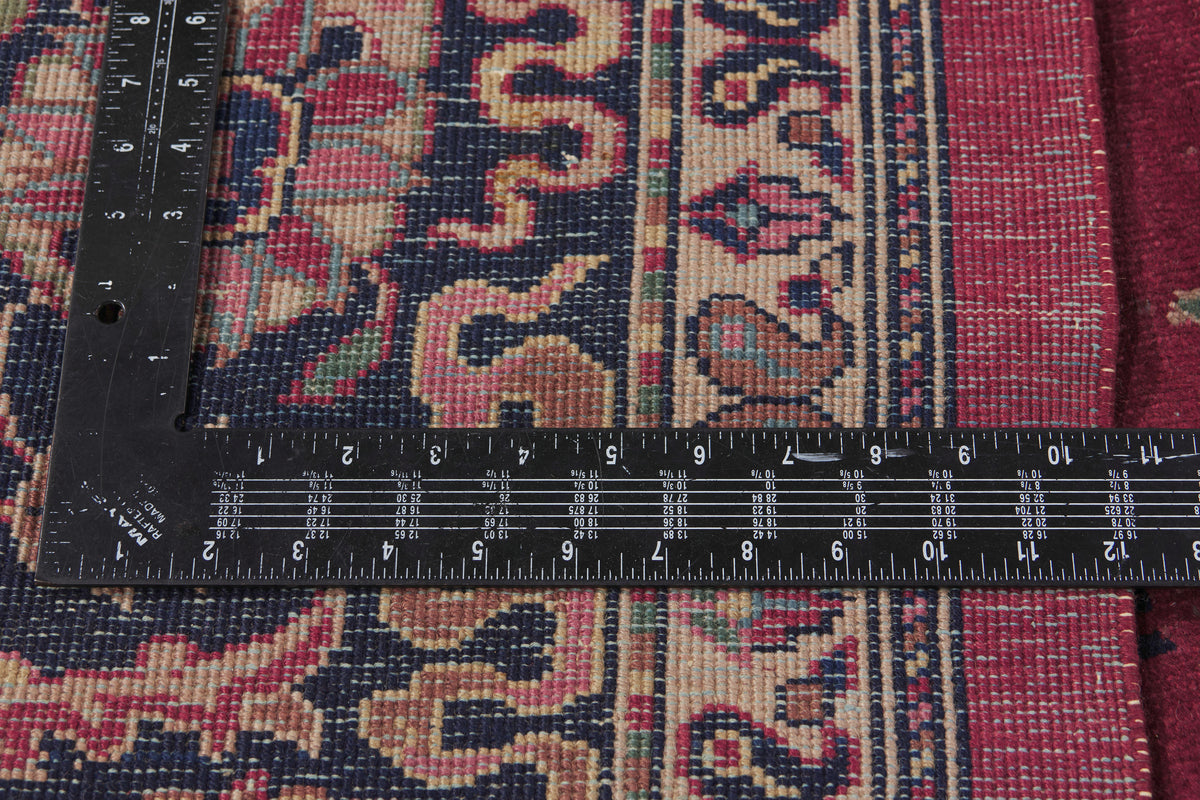
72040 Antique Turkish Sparta Rug, 09'09 x 13'05.
The Merchant's Legacy: An Antique Turkish Sparta Masterpiece of Imperial Splendor
Evoking the grandeur of Ottoman palaces and the cosmopolitan elegance of Europe's aristocratic residences, this hand-knotted wool antique Turkish Sparta rug from the Early 20th Century is a captivating testament to artistic ambition and international patronage. Originating from the celebrated weaving center of Sparta, now known as Isparta, this stunning masterwork reflects a period when Anatolian workshops embraced the elaborate ornamentation of Persian court traditions to satisfy the tastes of an affluent clientele. Its sumptuous burgundy field unfolds with an enchanting array of botanical emblems, revealing a mesmerizing interplay of symmetry, symbolism, and decorative sophistication. Distinguished by two inscriptions woven into its composition, this remarkable heirloom carries an intriguing commercial narrative that elevates its appeal among discerning collectors of historically significant textiles.
The magnificent allover floral arrangement presents a beautiful procession of blooming palmettes, cloudband motifs, ornamental vases, cypress trees, botehs, rosettes, leafy tendrils, and stylized blossoms. Each element contributes to a visual language steeped in centuries of cultural meaning. Cypress trees, revered as emblems of immortality, resilience, and spiritual endurance, establish a stately presence throughout the composition, while boteh motifs evoke the flame of life, fertility, and perpetual renewal. Graceful cloudbands recall celestial movement and divine blessings, their serpentine contours introducing an ethereal dimension to the intricate design. Flower-filled vessels suggest prosperity and hospitality, reflecting the symbolism of paradise gardens in classical textile arts. Scattered foliage and enigmatic organic forms complete this harmonious ensemble, creating an atmosphere of abundance and cultivated refinement.
Perhaps the most fascinating distinction of this antique Turkish Sparta rug lies in its pair of inscriptions, which introduce a compelling dimension of provenance and mercantile history. One appears to reference a commission by the Castelli Brothers, while the other has been interpreted as naming the East India Carpet Company. If confirmed through epigraphic research, these signatures could illuminate connections between Persian-inspired workshop designs, Turkish production, and the international carpet trade during the late Qajar period. The proposed relationship between the two enterprises remains an intriguing avenue for further investigation, particularly concerning the movement of patterns and commercial commissions across weaving centers. Their presence transforms the composition into a potential historical document, preserving traces of the individuals and businesses associated with the luxury carpet market of the early 1900s.
Framing this extraordinary masterpiece of textile artistry is an elaborate cypress tree and palmette border, where architectural silhouettes alternate with flourishing botanical ornaments in a procession of ceremonial elegance. The iconic trees symbolize eternity and steadfastness, while the palmettes celebrate regeneration and the splendor of nature. Inner and outer boteh guard borders provide a rhythmic enclosure, reinforcing the composition's themes of continuity and protection. With its commanding scale, sophisticated ornamentation, and evocative inscriptions, this antique Turkish Sparta rug possesses the presence to anchor grand drawing rooms, prestigious estates, private libraries, and exclusive residences. An expression of connoisseurship and inherited craftsmanship, this exquisite work of art offers an opportunity to acquire a tangible connection to the golden age of international carpet commerce—a legacy of cultural exchange, artisanal excellence, and enduring distinction.
- Two inscriptions:
به سفارش قاسطلی برادران ("by order of the Castelli brothers")
ایسٹ انڈیا کارپٹ کمپنی" (East India Carpet Company) - Abrash.
- Hand-knotted wool.
- Made in Turkey.
- Measures: 09'09 x 13'05.
- Date: 1910's. Early 20th Century.


