
History of Kurdish Rugs
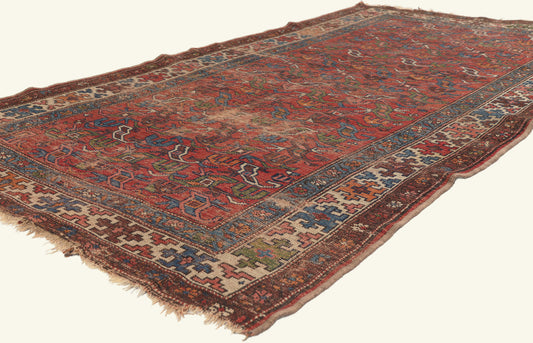
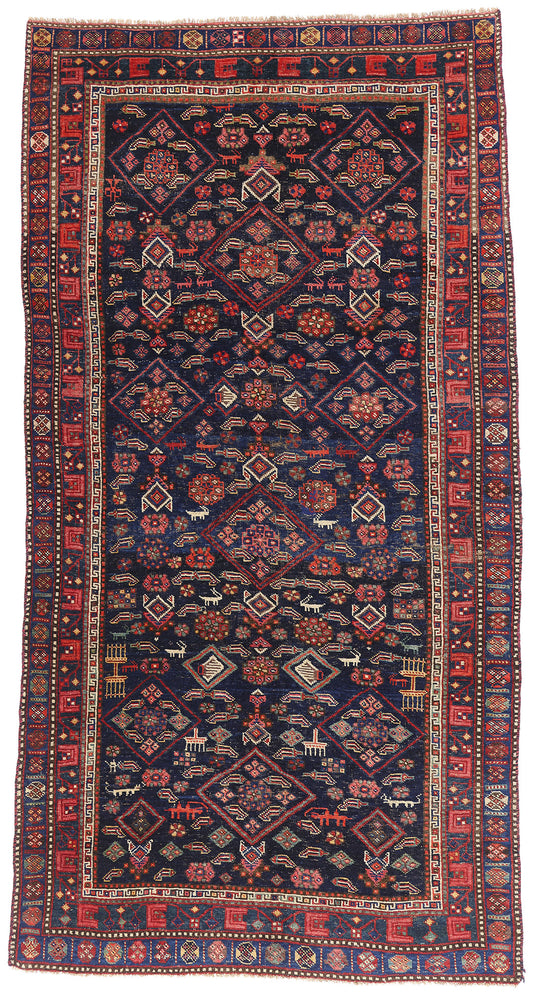
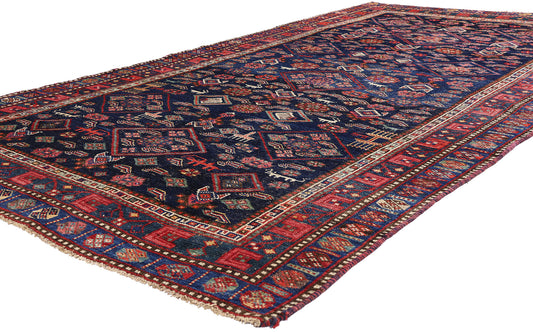
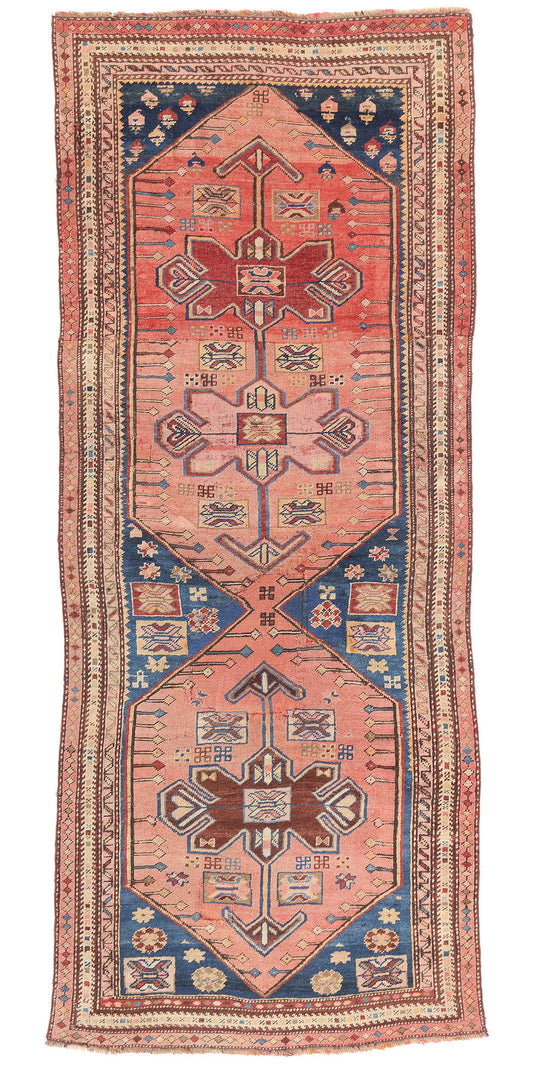
Kurdish weaving developed across a wide geographic area, primarily in the western Iranian province of Persian Kurdistan, but also across eastern Turkey, northern Iraq, the Persian Azerbaijan mountains, and the Khurasan district of northeast Iran. Woven largely by women on portable looms for household use, Kurdish rugs emerged from nomadic and village settings where designs evolved independently of urban workshop conventions.
This decentralized tradition gave rise to several distinct subtypes. Bijar rugs, produced in the town of Bijar in Persian Kurdistan, are renowned for their extremely dense structure and exceptional durability, and are often called the iron rugs of Persia. Senneh rugs, woven in Sanandaj, are finer in weave and more formal in composition. Northeast Kurdish pieces, woven by the Quchan Kurds of Khurasan, reflect the influence of neighboring Baluch and Turkoman traditions while retaining a distinctly Kurdish palette and spontaneity. Antique Kurdish rugs from across these traditions now rank among the most prized pieces in the tribal rug-collecting world.
Why Choose Esmaili Rugs
At Esmaili Rugs, we curate exceptional Kurdish rugs selected for their artistry, authenticity, and character. Our expansive inventory includes both collector-worthy treasures and versatile pieces suited to a range of interiors. Whether you are drawn to the heritage of antique rugs or the distinctive appeal of tribal weaving traditions, our team provides expert guidance throughout the selection process. We also offer specialized services, including rug renewal, to preserve these heirloom-quality works for future generations.
Design Characteristics and Motifs
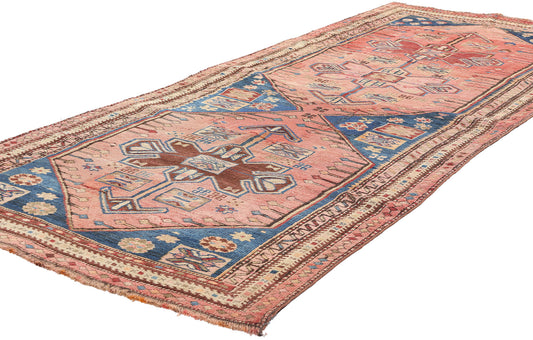
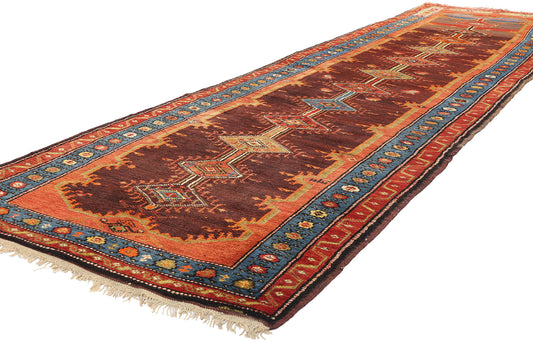
Known for their striking geometric patterns and richly varied color palettes, Kurdish rugs frequently feature medallions, latch-hook motifs, diamonds, and symbolic tribal elements. A hallmark of the best examples is the quality of the wool itself: Kurdish highland sheep produce a pile with exceptional natural luster and strength, giving antique pieces a depth of color that synthetic and urban-workshop rugs rarely match. Some Kurdish tribal rugs, particularly those from northwest Persia, are woven with camel hair, producing a warm, natural palette of tawny golds and soft browns. The design tradition also encompasses a lively folk art dimension, with animal figures, human forms, and narrative scenes appearing alongside the geometric field. These elements are often rendered with an expressive spontaneity that sets Kurdish weavings apart from more formal hand knotted Persian rugs.
Explore Kurdish Rugs at Esmaili Rugs
Discover a thoughtfully curated collection of Kurdish rugs at Esmaili Rugs and experience the enduring beauty of tribal craftsmanship. From refined examples of Kurdish carpet artistry to highly sought-after vintage Kurdish rugs, our selection reflects a deep appreciation for authenticity and design. Whether browsing Kurdish rugs for sale or exploring other exceptional Persian rugs for sale, you'll find pieces that elevate interiors with timeless sophistication.