
History of Farahan Rugs
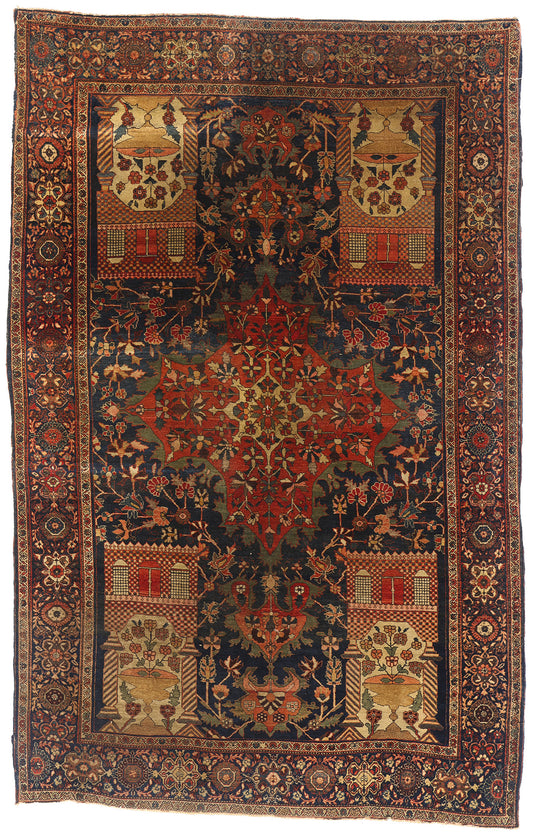
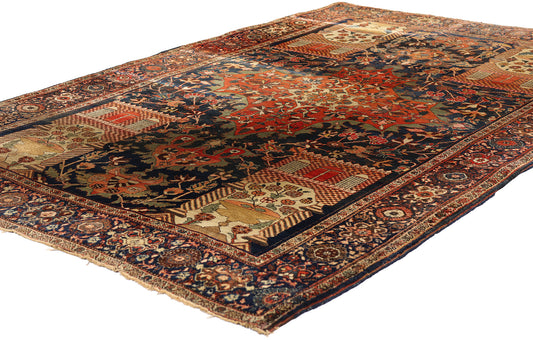
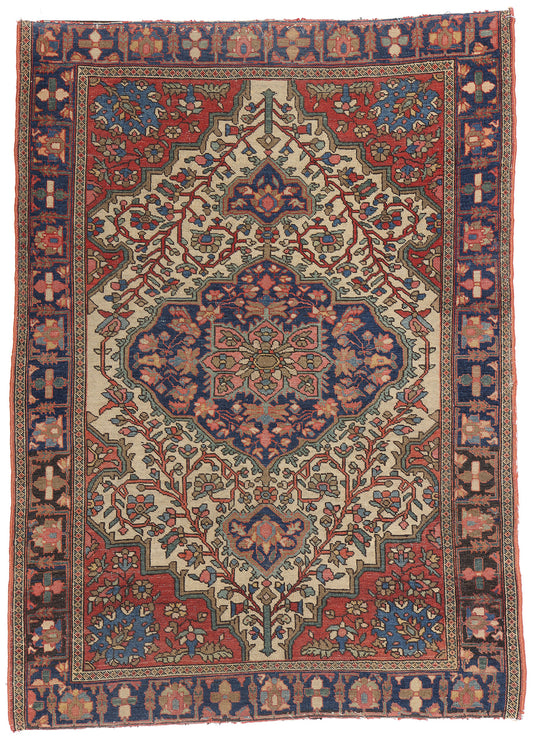
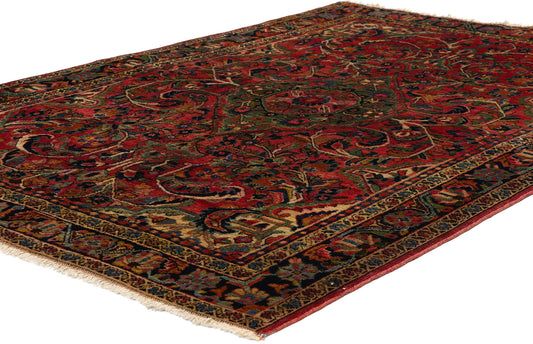
Farahan rugs reached their peak production during the mid-to-late nineteenth century, when the region became one of the most significant centers of Persian weaving for the international export market. European and American merchants actively sought Farahan pieces for their consistent quality, natural dye stability, and finely knotted construction — often approximately 80 to well over 120 knots per square inch. Over time, the neighboring Sarouk district's influence gave rise to the closely related Sarouk Farahan type, distinguished by its medallion-format compositions and slightly more formal design language. Antique Farahan rugs from this era are among the most enduring examples of hand knotted Persian rug production.
Why Choose Esmaili Rugs
At Esmaili Rugs, our carefully curated inventory reflects decades of expertise and a commitment to authenticity. We source exceptional Farahan rugs chosen for their craftsmanship, character, and lasting beauty. Whether you are seeking investment-worthy antique rugs or distinctive additions to your interior, our team provides knowledgeable guidance throughout your selection journey. We also offer specialized services, including rug renewal and oriental rug repair, to help preserve treasured heirlooms.
Design Characteristics and Motifs
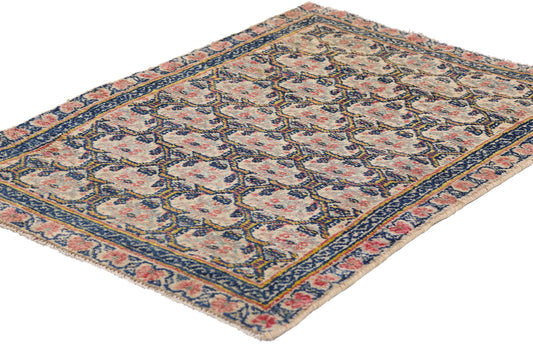
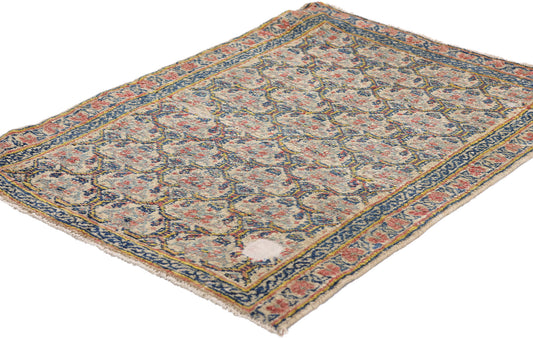
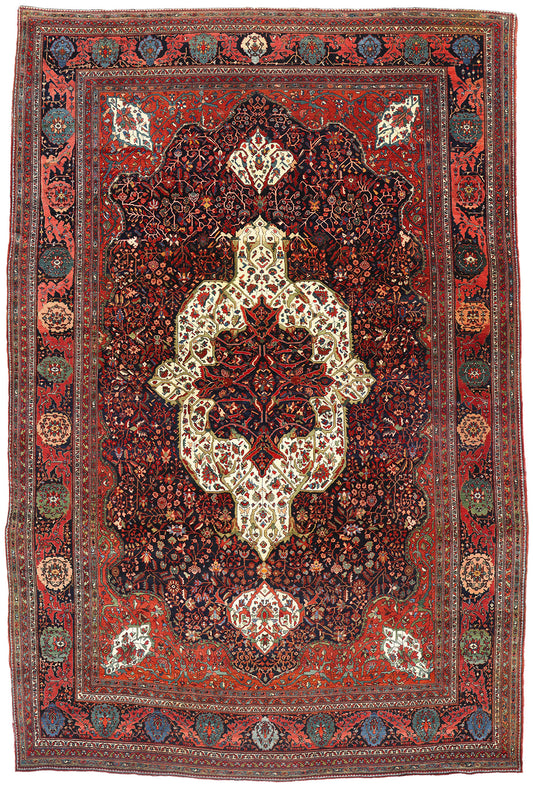
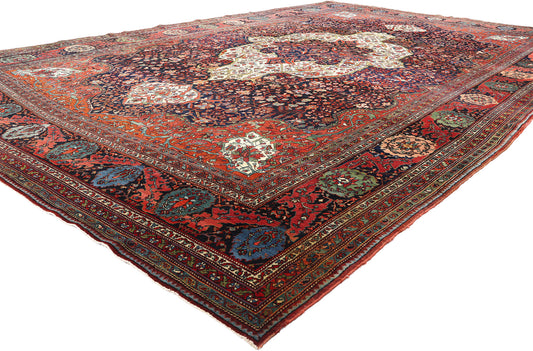
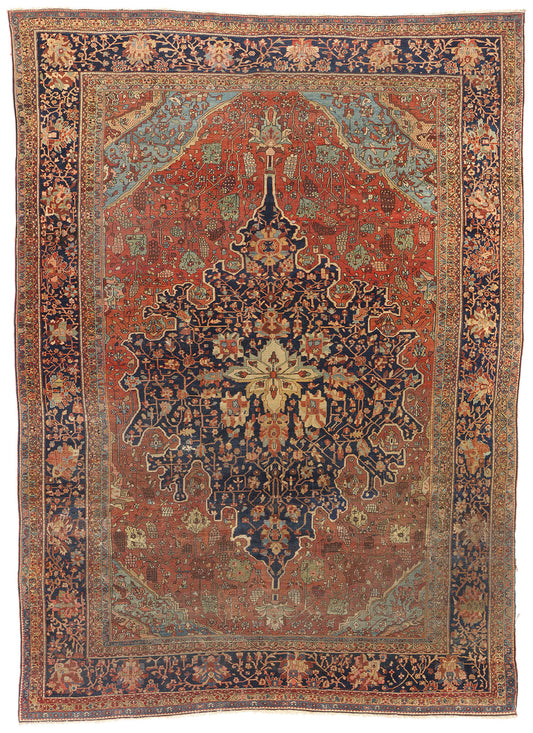
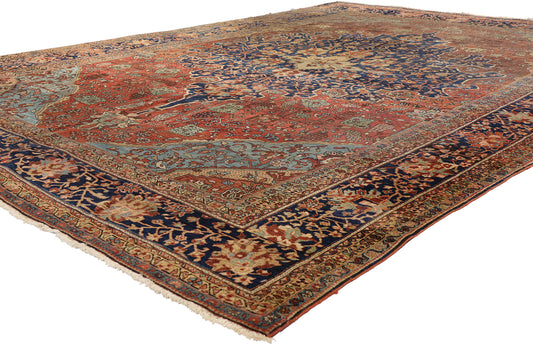
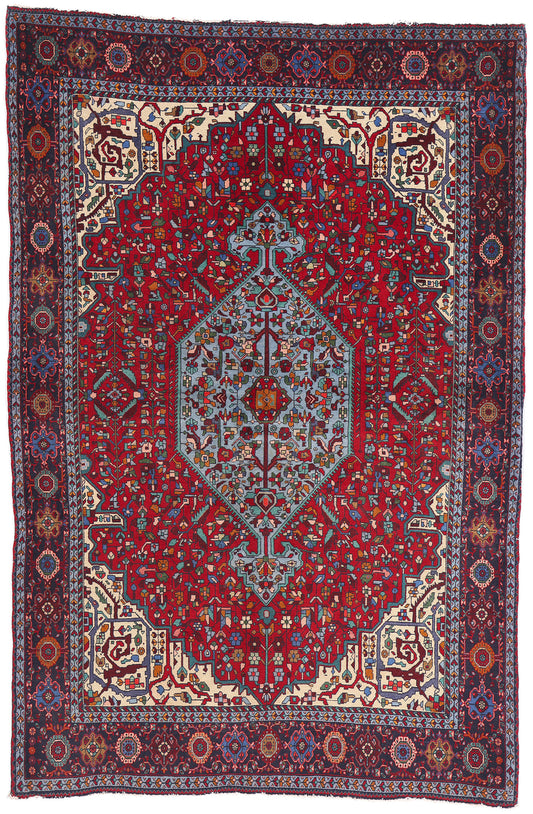
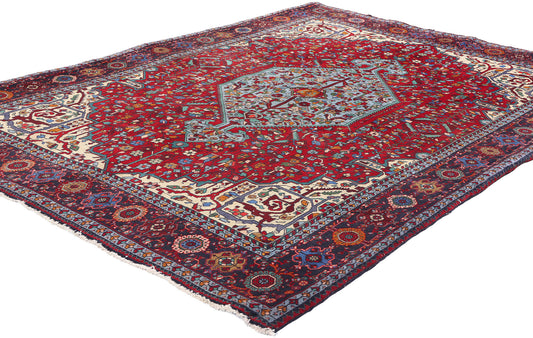
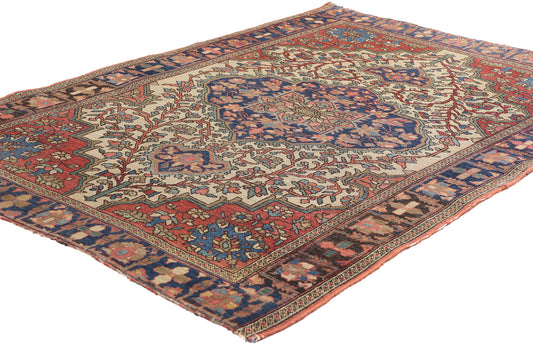
Farahan rugs generally fall into two distinct types. The first is defined by all-over, endless-repeat patterns, with Herati designs, boteh motifs, and Mina Khani floral lattices among the most recognizable examples, bringing balance, rhythm, and refined detail to the field. The second type follows a medallion format and is closely associated with the Sarouk Farahan tradition, featuring a classical Persian layout with a central medallion, corner spandrels, and elaborate border systems. Both types are woven using high-quality wool with harmonious palettes of indigo, ivory, terracotta, and soft blue, colors that develop a distinctive mellow patina with age.
Explore Farahan Rugs at Esmaili Rugs
Whether you are exploring Persian rugs for sale for a formal living space or searching for a collector's piece with genuine provenance, Esmaili Rugs offers hand-selected Farahan and Sarouk Farahan rugs chosen by third-generation specialists. Browse our curated collection, or contact the team to arrange a private viewing and expert consultation.