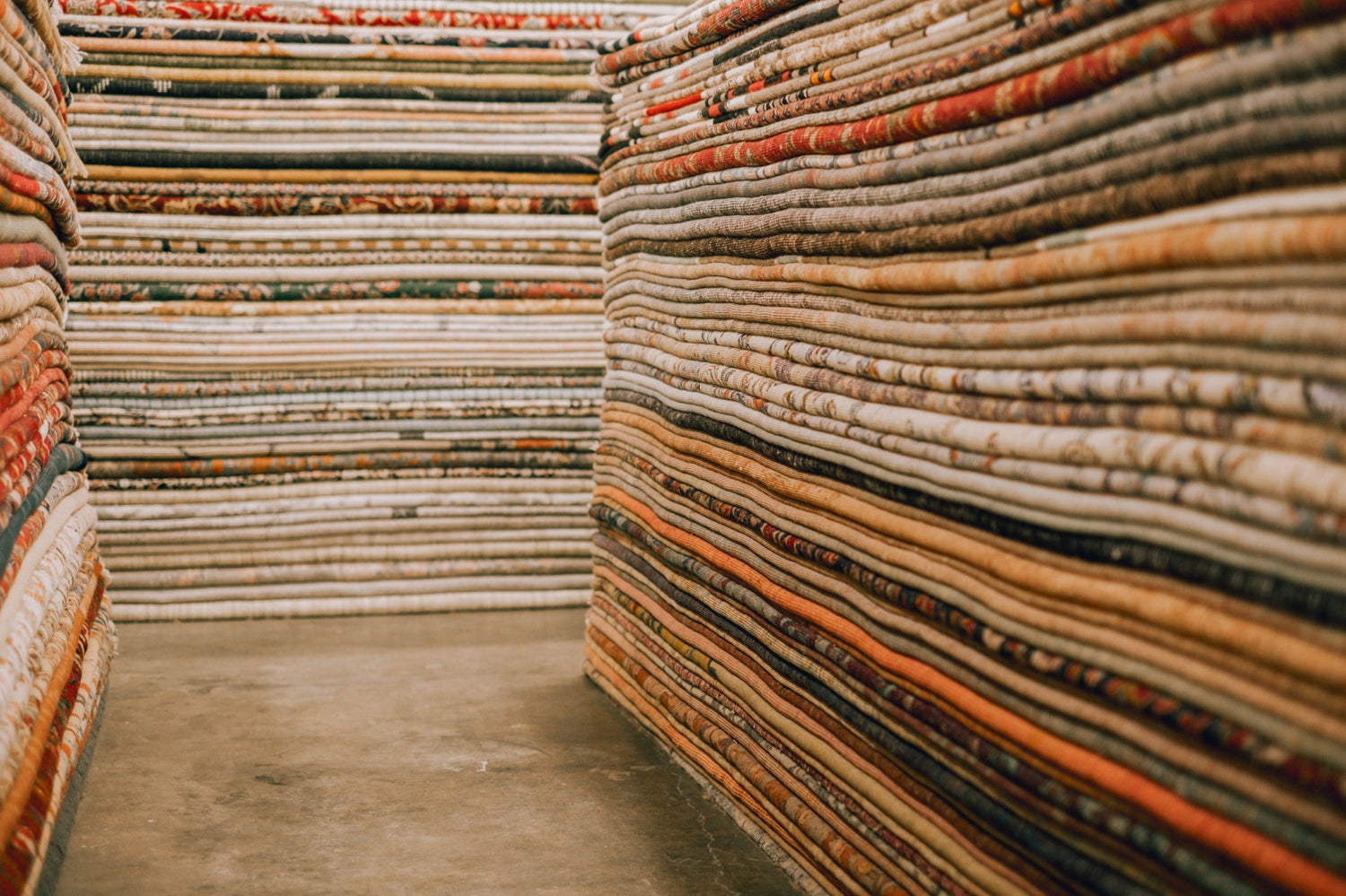

Several reasons why antique rugs are still in high demand and remain the future of interior design and flooring
Alex Esmaili
Key Takeaways
- Decorating with rugs gives a room color, texture, scale, and a clear foundation for furniture placement.
- Decorating with antique rugs can support a more sustainable approach by extending the useful life of an existing handcrafted textile.
- Strong interior design rug planning considers size, condition, pattern, palette, traffic, and how the rug relates to surrounding furnishings.
- Antique Oriental rugs remain relevant because their craftsmanship, patina, individuality, and versatility can complement many design styles.
Why Antique Rugs Remain the Future of Interior Design
Though design shifts and evolves over time, certain elements never go out of style, even as their popularity rises and falls. One enduring feature of elevated interiors is the antique Oriental rug. These handcrafted textiles continue to appear in traditional homes, contemporary apartments, hospitality spaces, and layered rooms that resist a single design label.
Decorating with rugs allows designers and homeowners to shape a room from the floor upward. A well-chosen piece can establish the palette, define the furniture arrangement, soften architectural surfaces, and introduce a meaningful connection to craftsmanship.
The perfect rugs for interior design are not chosen based on trend alone. They consider proportion, texture, function, light, and the emotional character of a room. Our Interior Design overview explains how rugs serve as foundational elements rather than final accessories.
1. Sustainability Through Continued Use
Sustainability has become an important part of how many people evaluate furnishings. It can be difficult to understand every stage of modern production, but an antique rug has already been created and has often served several generations. Choosing it keeps an existing textile in use rather than treating interior design as a wasteful cycle of perpetual replacement.
Decorating with antique rugs also reflects a preference for objects with history, visible handwork, and lasting utility. Antique rugs are at least 100 years old, so condition should always be evaluated carefully. Previous restoration does not automatically diminish a piece, but it should be described clearly and considered.
When decorating with rugs, longevity matters. A well-suited piece can move from one room to another as furnishings change, allowing the textile to remain useful through several stages of a home’s design.
2. Versatility Across Interior Styles
There are few interior styles that cannot work beautifully with an antique Oriental rug. Balance in texture, hue, and pattern matters, but the range of available origins, scales, and compositions allows these pieces to complement restrained rooms as well as highly collected spaces.
A strong approach to rugs for interior design does not require every object to share the same period or origin. A faded Persian rug may bring warmth to minimalist furniture. An antique Turkish piece can soften contemporary architecture, while a geometric Caucasian weaving may introduce structure beneath simpler upholstery.
One advantage of decorating with rugs is the ability to create contrast without making a room feel disconnected. The rug can become the unifying layer that connects old and new furnishings through repeated color, form, or texture.
3. Craftsmanship and Material Presence
An antique rug invites close inspection. Its surface may reveal a supple handle, softened colors, slight shifts in pattern, and variations that reflect hand production. These qualities create depth that can be difficult to understand from a distant photograph alone.
Superior quality should not be assumed from age alone. Every textile must be judged individually according to its weave, materials, condition, repairs, design, and provenance. The strongest antique pieces feel complete from across the room while continuing to reward attention at close range.
This material presence is one reason decorating with rugs remains important in refined spaces. A rug occupies a large visual area, yet its contribution is not limited to pattern. Pile, sheen, texture, and patina affect how the entire room responds to light.
Practical Ways to Decorate With Antique Rugs
Decorating with antique rugs begins with scale. In a living room, the rug should relate clearly to the seating arrangement. Placing at least the front legs of the main seating pieces on the rug can make the furniture feel connected rather than scattered.
In a dining room, allow enough space for chairs to remain on the rug when pulled away from the table. For bedrooms, a large rug can extend beneath the bed, while runners or smaller rugs can add softness beside it. Hallways benefit from carefully measured runners that leave a balanced floor border.
A smaller antique rug can also be layered over a larger, quiet foundation. This preserves the presence of a textile that may be too petite to anchor the room alone. Explore our curated antique rugs to compare sizes, origins, palettes, and design traditions.
Using Antique Rugs in Modern Rooms
Modern interiors often benefit from an element that introduces age and individuality. Clean-lined furniture, pale walls, stone, metal, and glass can feel more inviting when balanced by a rug with softened color and visible texture.
Decorating with antique rugs does not require a formal or heavily traditional setting. A restrained rug with negative space can support minimalism. A bolder piece can become the primary artwork in an otherwise quiet room, reducing the need for many smaller decorative objects.
The best rugs used in interior design begin with the room’s architecture and intended mood. A rug may echo the proportions of windows and furniture, or it may introduce a deliberate contrast through color and pattern. Both approaches can feel intentional when scale is handled well.
Are Oriental Rugs Out of Style?
Oriental rugs are not limited to one design era. Their relevance comes from the extraordinary range of patterns, colors, sizes, origins, and weaving traditions available. Some pieces feel formal and architectural, while others appear relaxed, graphic, softly distressed, or highly expressive.
Rather than asking whether a broad category is fashionable, consider whether an individual rug supports the room. Decorating with rugs works best when the piece is chosen for its visual strength and relationship to the space, not because it resembles a passing trend.
Patina can be especially useful in new interiors. A rug with softened colors and intimate patina may prevent a recently completed room from feeling overly polished or impersonal.
Choosing the Right Antique Rug
Begin by measuring the room and mapping furniture placement. Then compare pile, palette, pattern scale, condition, and material. Photographs are useful, but color and texture may change under different lighting, so detailed guidance and close review can make the selection more confident.
Good interior design planning for rugs also anticipates traffic. A formal living room may accommodate a different condition or pile than a busy entry. Rug padding can add support, improve stability, and reduce movement when properly fitted to the textile and floor.
When decorating with rugs, do not focus on matching every color exactly. Look for a relationship between the rug and the room. One repeated shade, a shared undertone, or a balanced contrast may be enough to make the composition feel complete.
Begin With a Rug That Has Enduring Character
Decorating with antique rugs offers a way to bring craftsmanship, history, texture, and individuality into a space without relying on temporary design trends. The right piece can anchor a room now and remain relevant as furniture, art, and personal preferences evolve.
Esmaili Rugs helps homeowners, collectors, and design professionals compare antique rugs by dimensions, palette, origin, condition, and design goals. For personal guidance with decorating with rugs, connect with a personal rug curator to begin a focused selection experience.