

The Heritage of Ardabil Weaving
While it wasn’t a significant rug-weaving center in Persia, Ardabil was historically important for its geographic location, which bridged Persia and the Caucasus. The popularity of handmade rugs from this region also grew once the infamous Ardabil Carpet gained historical significance.
As the demand for Ardabil carpets grew, so did the mastery of weaving in northwestern Iran. Generations of Ardabil artisans have developed intricate geometric styles that were inspired by Caucasian regions, including Shirvan, Gendje, and Karabakh.
Now, you can own a piece of history when you shop Persian Ardabil rugs for sale in our collection.
Distinctive Traits of Persian Ardabil Rugs
Ardabil rugs are distinctive from Persian carpets in several ways. While there is overlap in styles and motifs, Ardabil carpets often feature a unique style that includes:
- Intricate Knots: Azeri knots result in dense, tightly packed patterns that are robust and visually appealing.
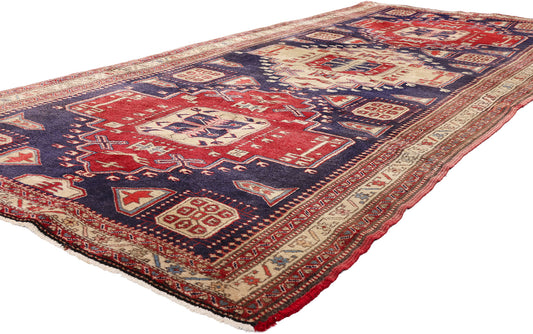
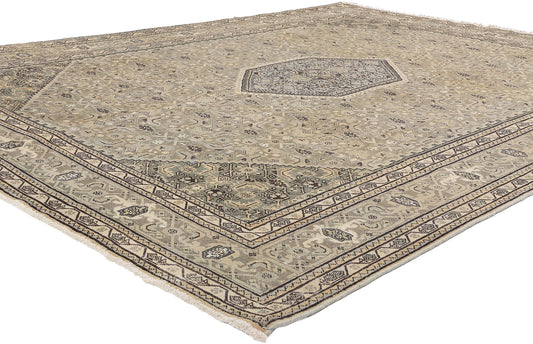
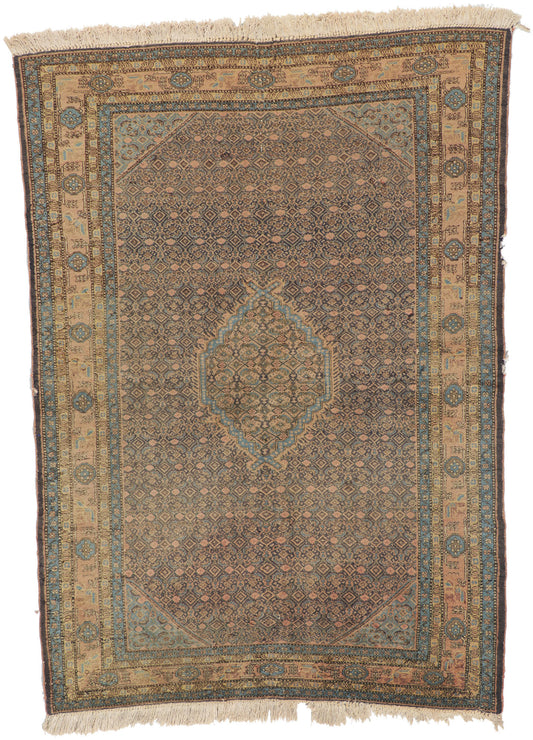
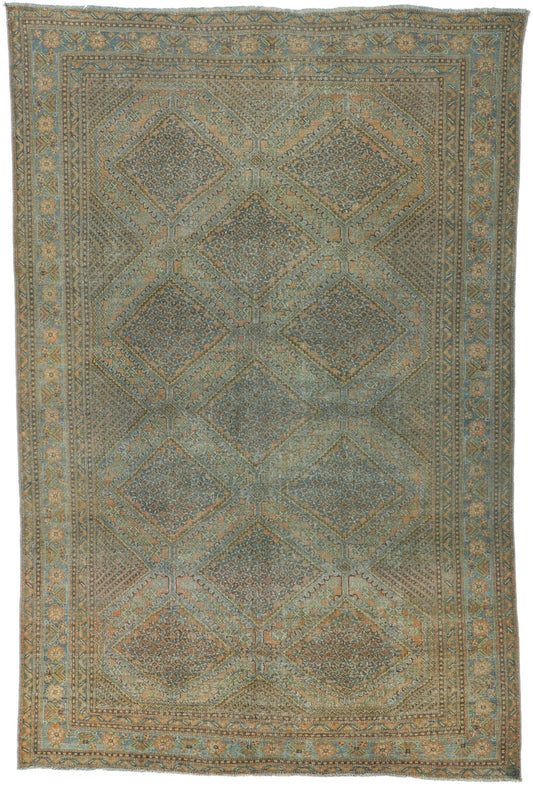
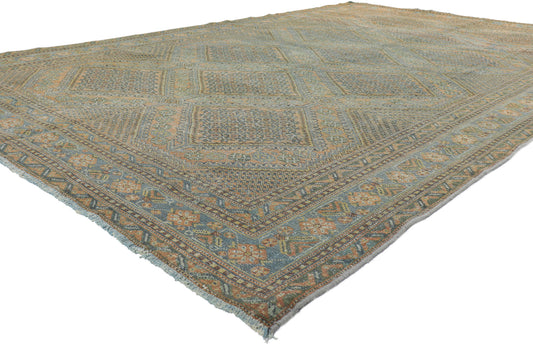
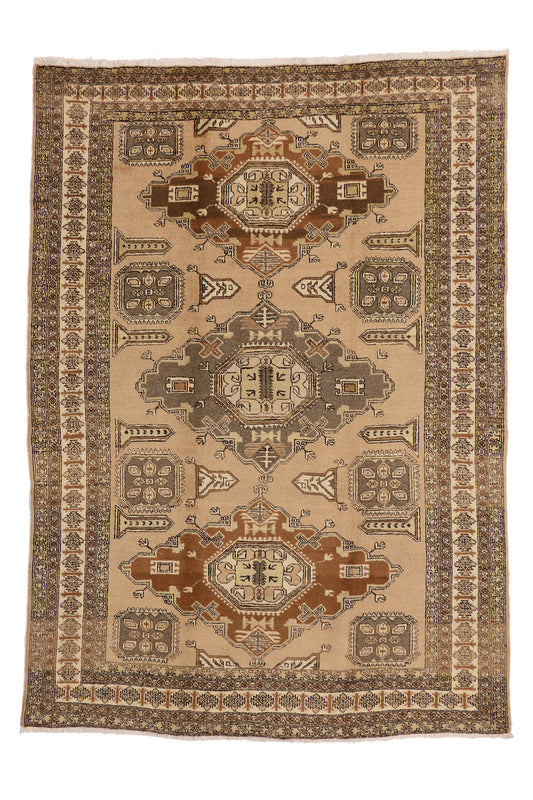
- Distinct Patterns: Inspired by Caucasian rugs, patterns are geometric, and colors are lighter. Designs primarily explore medallions, all-over octagonal shapes, and connected diamonds.
- Architectural Influences: The Ardabil region is full of architectural marvels, so the rugs mimic some of the intricate designs found in palaces and mosques.
The Geometric Beauty of Ardabil Carpets
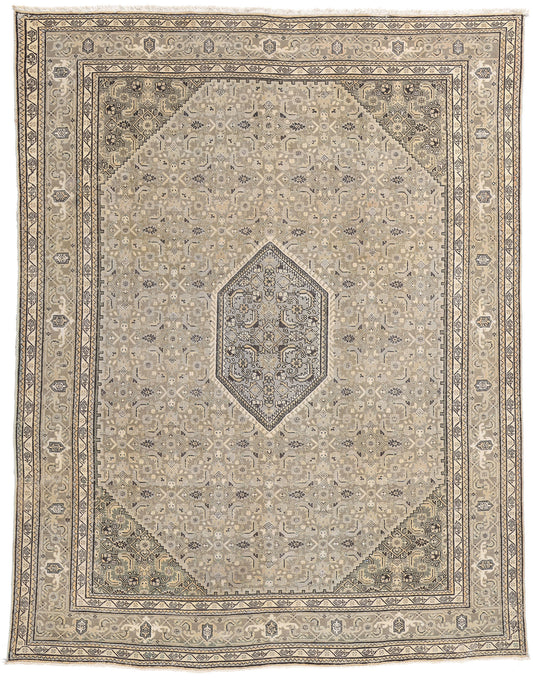
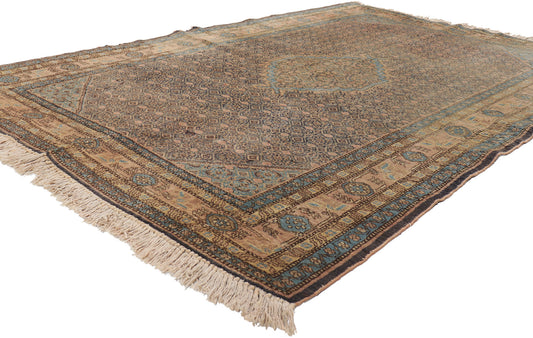
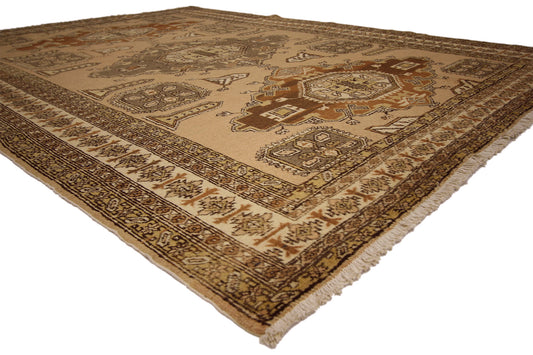
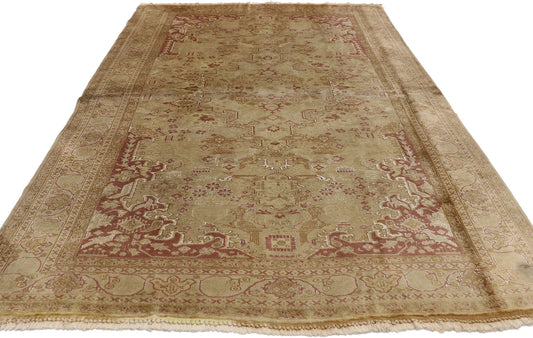
Traditional Persian Ardabil carpets for sale feature complex geometric motifs, medallion layouts, lozenge patterns, and octagonal shapes. Other designs frequently woven into these pieces include star and octagon arrangements and Shahsavan symbols, like comb motifs, symbols of fertility, and ram’s horns.
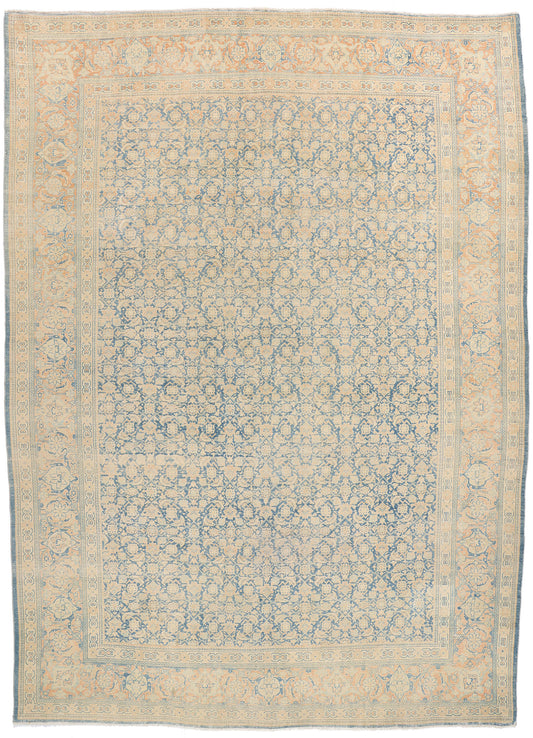
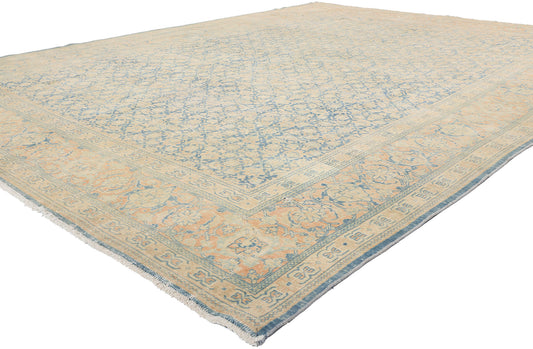
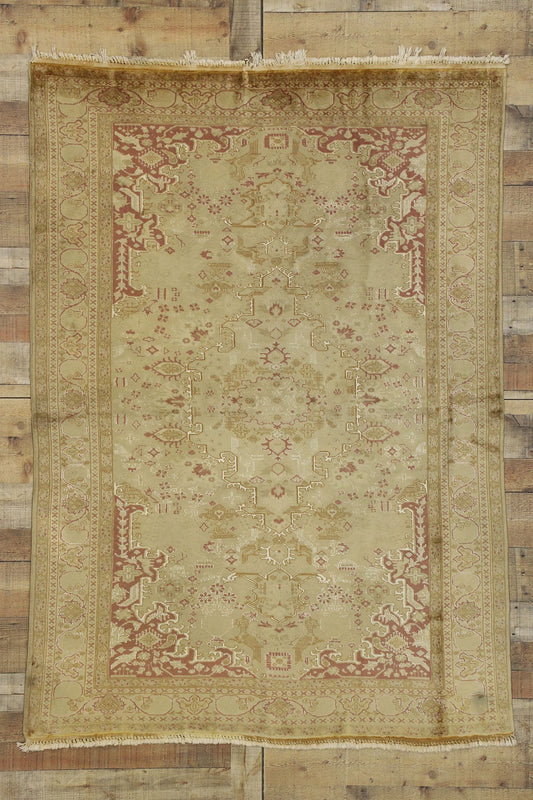
Today’s modern Ardabil weavers have elevated the antique rug designs with contemporary carpet aesthetics, including newer hues alongside traditional colors. Recent Ardabil carpets often have turquoise, orange, and green woven alongside red, ivory, and blue.
Discover Unique Rugs With an Expert at Your Side
The team at Esmaili Rugs is here to offer you our decades of expertise in sourcing and curating rugs for any space. Each piece in our collection is hand-selected by one of our specialists, chosen for its authenticity, craftsmanship, and origin. We guarantee the authenticity of every rug through vetting and documentation.
Shop with Esmaili Rugs to enjoy white-glove service and a seamless buying experience that prioritizes your aesthetic preferences. Our team also offers rug renewal and appraisal for your convenience. With us, you can create elevated spaces and grounded interior design.
Craftsmanship & Materials
The Ardabil carpets in our collection are woven with premium sheep’s wool on resilient cotton warp for increased durability. With a knot density that hovers between 100,000 and 250,000 knots per square meter, these rugs have unsurpassed precision and structure. Some of our Persian Ardabil rugs for sale also feature Azeri knots, which result in an even denser, more tightly packed design.
Explore Authentic Rugs
Esmaili Rugs has one of the largest collections of authentic Ardabil pieces for sale. Find inspiration in the world-famous Ardabil Carpet for your home when you shop our collection of vintage and antique pieces.
Enjoy a customized experience when you schedule an appointment for a private viewing in our Dallas showroom or with a digital concierge.