

Peshawar and Chobi Rug Heritage
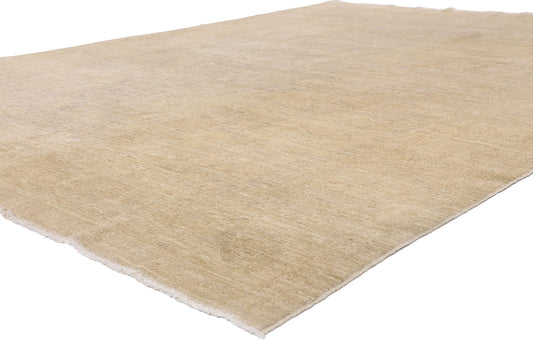
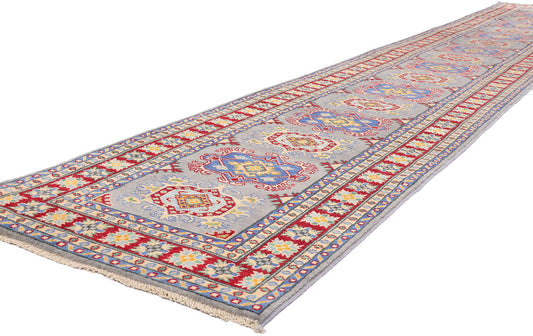
Peshawar and Chobi carpets are Pakistani carpets renowned for their soft palettes and Mughal-inspired motifs. Most village or workshop Chobi pieces also feature natural dyes and subtle abrash, highlighting the handmade artistry and regional influence. These handmade Pakistani carpets are produced in the historic Peshawar region, celebrated for weaving excellence.
Pakistani Kilim Rugs: Flatwoven Versatility
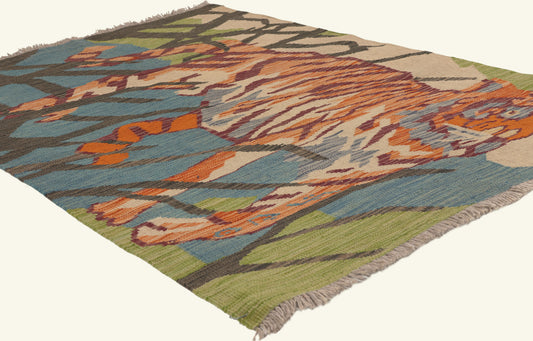
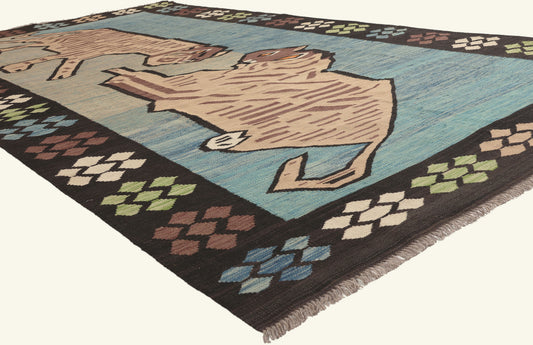
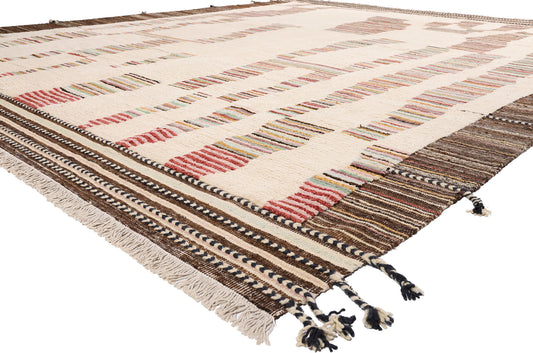
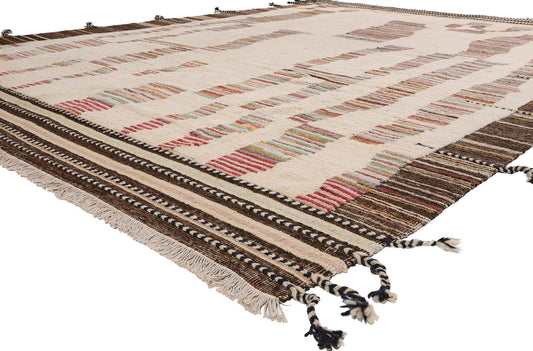
Kilim rugs are another variation of Pakistani rugs that showcase the lightweight, pileless structure of handwoven Kilim and Dhurrie carpets. Their lightweight, flexible construction makes them versatile enough for a range of placements. Discover geometric designs and bold color pairings that are perfect for standalone display or layering pieces in casual, modern interiors.
A Kaleidoscope of Pakistani Rug Styles
Our curated collection of Pakistani carpets and rugs showcases the regional styles and designs available, including:
- Pakistani Bokhara Rugs: These pieces draw from the distinctive geometric guls in red and burgundy hues of Turkmen carpets.
- Oushak & Persian Carpets: Inspired by the intricate floral patterns and refined elegance of Oriental designs.
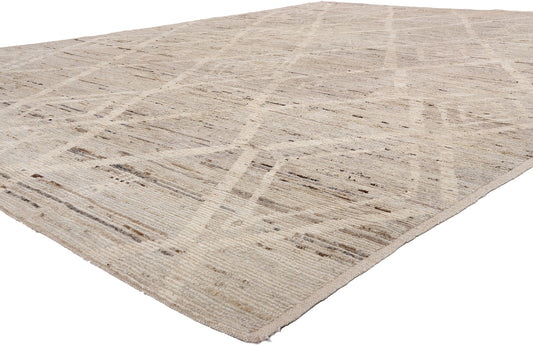
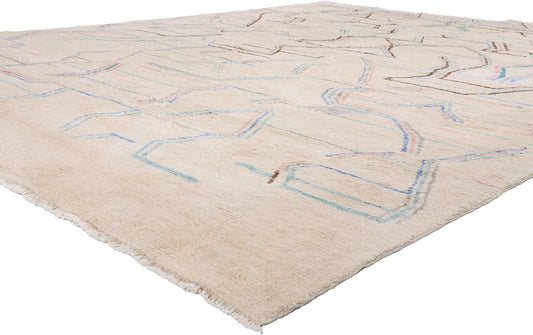
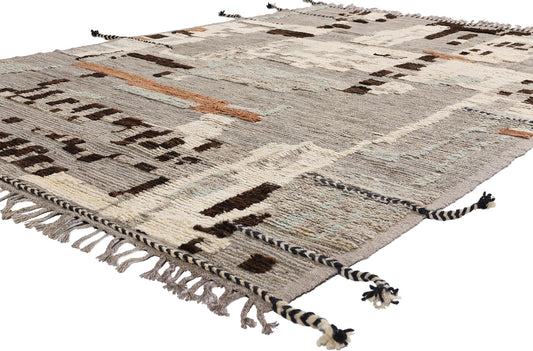
- Moroccan & Swedish Rugs: Embracing the simple, minimalist aesthetics of these regions with neutral palettes.
- Pak-Persian: Full of intricate floral motifs and complex medallion designs, these Pakistan rugs feature sophisticated color palettes.
- Khotan: Persian and East Turkestan influences result in Pakistani rugs with medallion patterns and muted tones.
- Modern & Transitional: Minimalist or hybrid styles bridge old and new aesthetics.
- Tribal & Floral: Reflecting the nomadic heritage of the Pakistani people, these rugs offer bold geometric motifs or delicate natural designs.
A Woven Journey Through Pakistani Rug History
The origins of Pakistan’s rug-weaving traditions date back to the Mughal Empire and its imperial weavers. These carpets were often crafted for royal courts and noble estates. Under British colonial influence, new materials and weaving methods were introduced. Since 1947, Pakistan has positioned itself as one of the world’s leading exporters of stunning rugs with regional specialties from Peshawar, Swat Valley, Quetta (Balochistan), and rural Punjab.
This ongoing legacy of color mastery and fine craftsmanship is a testament to the preservation of the cultural heritage and weaving techniques that have been passed down through the generations. From antique rugs to modern designs, these Pakistani carpets and rugs are prized for their exceptional quality, including handmade craftsmanship, premium materials, exceptional durability, and versatility.
The Artistry Behind Pakistani Rugs
Pakistani carpets are made with hand-knotted and handwoven construction to ensure intricacy and precision. The natural wool fibers add unique texture and durability. These vintage rugs were also colored using vegetable dyes for rich, lasting hues, though some mid-century pieces feature synthetic dyes. Enjoy the skilled craftsmanship of Pakistani artisans that has been passed down through the generations.
Key Qualities of Pakistani Rugs
- Handmade Excellence: Hand-knotted and flatwoven examples reflect skilled textile craftsmanship.
- Premium Materials: Artisans use wool and cotton foundations.
- Vibrant Hues: Achieved through both natural and synthetic dyes.
- Intricate Patterns: Persian-inspired, tribal, and floral designs.
- Exceptional Durability: Long-lasting quality.
- Versatility: Suited for classic or contemporary interiors.
10 Things to Know About Pakistani Rugs
Pakistani carpets and rugs stand out from other vintage carpets for many reasons:
- Historical Roots: Influenced by Persian, Mughal, and Central Asian cultures.
- Materials: Premium wool and cotton were used for strength and sheen.
- Technique: A labor-intensive hand-knotting process makes these pieces time-consuming to create.
- Designs: Floral, geometric, and medallion motifs abound.
- Colors: Vintage rugs feature vibrant reds, blues, and earthy neutrals from natural dyes, while modern versions use longer-lasting synthetic dyes.
- Durability: With proper maintenance, Pakistan rugs are built to endure generations of use.
- Regional Styles: Find unique variations originating in Peshawar, Swat Valley, Quetta (Balochistan), and rural Punjab.
- Shapes and Sizes: Discover everything from hallway runner rugs to large carpets.
- Value: Fine examples are valued for their craftsmanship, design, condition, and decorative appeal.
- Trade: These rugs are a significant part of Pakistan's handicraft industry and a major export in global handmade carpet markets.
Why Choose Esmaili Rugs
Whether you’re searching for Pakistani-style Bokhara rugs or Chobi carpets for sale, the curated selection of pieces at Esmaili Rugs offers you authentic, premium-quality designs. These are all exquisitely crafted, hand-knotted pieces. Trust in our expert guidance and decades of industry knowledge, and enjoy our seamless service that ensures a personalized touch from consultation to delivery.
Choose Esmaili Rugs for a refined experience that celebrates the importance of elevated craftsmanship aligned with timeless design.
FAQ About Pakistani Rugs
Are Pakistani rugs of good quality?
- Yes. Pakistani carpets are known worldwide for superior craftsmanship, durability, and handwoven detail using premium materials.
What are rugs from Pakistan called?
- Commonly referred to as Pakistani rugs or Pakistani carpets, these pieces encompass rugs from regional origins, including Pakistani-style Bokhara rugs, Chobi carpets for sale, Kashmiri rugs, Persian-style varieties, and Turkish Oushak carpet-inspired designs.
What are the three main types of Pakistani carpets?
- Mori rugs: Pakistani Bokhara, Jaldar, and Caucasian designs.
- Chobi rugs: Earth-toned, vegetable-dyed pieces.
- Persian-style rugs: Intricate floral motifs with high knot counts.
Are there any other important types of Pakistani rugs?
The other influential rug styles you’ll find at Esmaili Rugs include Ziegler and Pak-Persian.
Pak-Persian rugs are a little different, as they blend the two weaving traditions in a special way. The focus was on combining the two traditions through cross-cultural craftsmanship. Pak-Persian pieces draw on Persian weaving traditions, knotting styles, and motifs but are made by Pakistani weavers.
Are Pakistani rugs Persian?
- The rugs from Pakistan are distinct from Persian rugs, yet they draw inspiration from Persian artistry. Styles like Kashan, Kirman, and Mahal are often recreated in Pakistani handmade carpets.
Discover the Artistry of Pakistani Rugs
If you’re looking for a blend of tradition, luxury, and modern refinement, the Pakistan rugs in our collection are the ideal choice. Explore Esmaili’s curated Pakistani rug selection online or visit our store in Dallas to view these pieces in person. Reach out today to schedule a personalized consultation.