Persian Shiraz Rugs

Introduction to Persian Shiraz Rugs

Persian Shiraz rugs are celebrated tribal weavings originating from southwestern Iran, near the historic city of Shiraz. These distinctive carpets reflect the artistry of nomadic and village weavers who created durable, expressive textiles for everyday use. Known for their bold geometric motifs and rich color palettes, Shiraz rugs bring character and heritage to interiors while representing an enduring tradition within the world of Persian carpets.

Read More

History of Persian Shiraz Rugs

The weaving traditions behind Persian Shiraz rugs are deeply tied to the tribal cultures of Iran’s Fars province. Nomadic groups such as the Qashqai and related tribes produced rugs in and around the Shiraz trading center, where finished pieces were historically brought to market. These weavings were crafted primarily for practical household use, yet their artistic qualities have made them increasingly valued by collectors seeking authentic hand-knotted Persian rugs that reflect tribal craftsmanship.

Why Choose Esmaili Rugs

At Esmaili Rugs, our carefully curated selection of Shiraz carpets reflects generations of expertise in sourcing exceptional textiles. Our gallery presents authentic tribal pieces alongside rare antique rugs, each selected for craftsmanship, character, and lasting beauty. Whether you are a seasoned collector or exploring traditional rugs for the first time, our specialists are dedicated to helping you find pieces that showcase the artistry of historic Persian rugs for sale.

Design Characteristics and Motifs

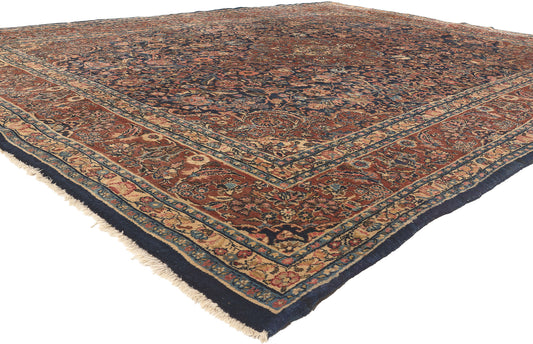
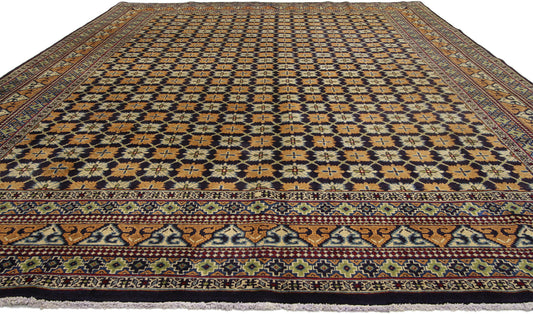
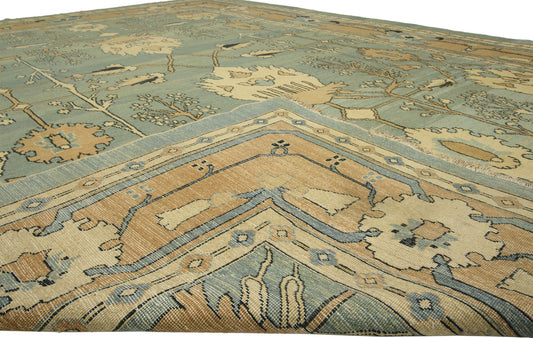
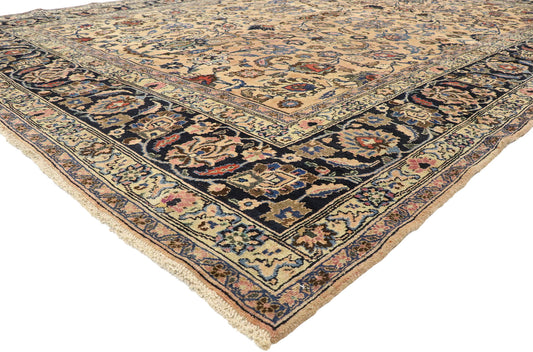
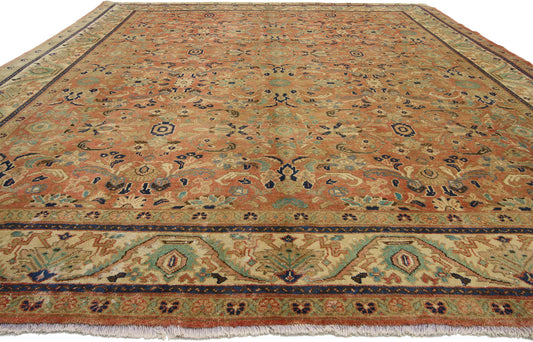
Distinctive visual elements define many Persian Shiraz rugs, though designs vary widely, ranging from bold geometric medallions to allover patterns, as well as directional or compartmental layouts, often incorporating tribal motifs and occasional stylized animal forms. Wool is typically used for both pile and foundation, creating durable pieces with a slightly rustic character. Deep reds, indigo blues, and warm earth tones are common color choices derived from traditional dyes. These rugs are also known for high-contrast palettes and unexpected pops of color. The lively, spontaneous designs often found in a Shiraz carpet highlight the creativity of tribal weavers who worked without formal pattern drawings.

Explore Persian Shiraz Rugs at Esmaili Rugs

The distinctive beauty of Persian Shiraz rugs makes them ideal for adding warmth and visual interest to both classic and contemporary interiors. A finely woven Shiraz area rug can anchor a room while showcasing the heritage of tribal Persian weaving traditions. Explore our gallery to discover Shiraz rugs for sale, and learn how professional rug renewal services can preserve these remarkable works of art for generations to come.

  • FAQs

    What is the life expectancy of an authentic Persian Shiraz rug?

    If you take proper care of your Shiraz carpet, you can expect it to outlive you. Most antique Shiraz rugs are at least 100-years-old, and many were woven as many as 200 years ago. However, no antique or vintage rug will survive without proper maintenance, including rotating it occasionally, spot-cleaning as needed, and sending it in for deep cleaning and restoration every few years. Learn more about Persian rug appraisal with Esmaili Rugs to determine the age of your piece.

    Are Persian rugs considered valuable?

    Authentic, hand-knotted Persian Shiraz rugs with distinct provenance are considered valuable whether they’re antique, vintage, or modern. While 100-year-old rugs in good condition can reach very high values, even contemporary pieces are viewed as long-term investments that serve as functional home decor, enhancing and elevating your space.

    Are Turkish or Persian rugs better?

    Persian Shiraz rugs encompass a wide array of styles, weaving traditions, and classic techniques, whereas Turkish rugs are typically sourced from Anatolia. Their origin ensures far more variety in Persian styles and a bit more consistency throughout Turkish Oushak carpets.

    There are a few functional differences between these two rug styles that may help you make a more informed decision. Persian rugs are renowned for finer wool, high-knot density, and intricate details, making them showstopping conversation pieces that are ideal for formal rooms and dining rooms. Turkish carpets are woven with a thicker pile and coarser texture using a symmetrical knot, which is structurally more durable. Use Turkish rugs in high-traffic areas, like hosting spaces, hallways, and living rooms.